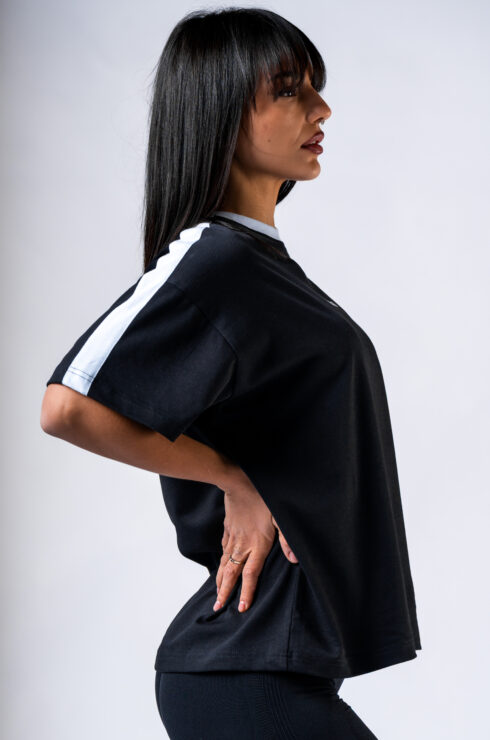
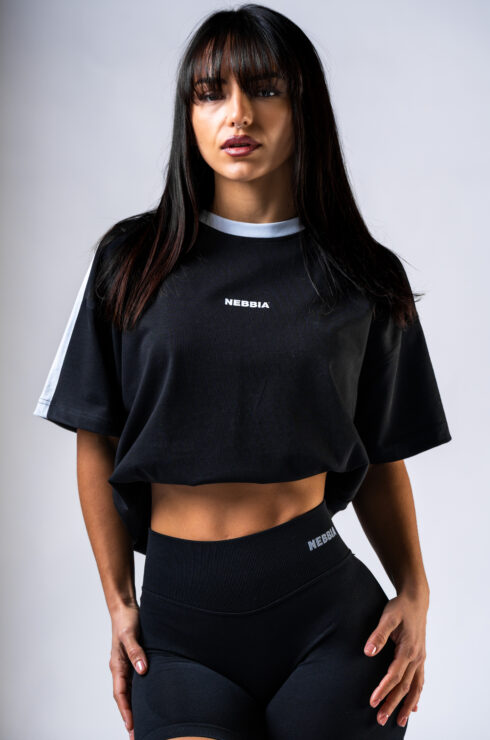
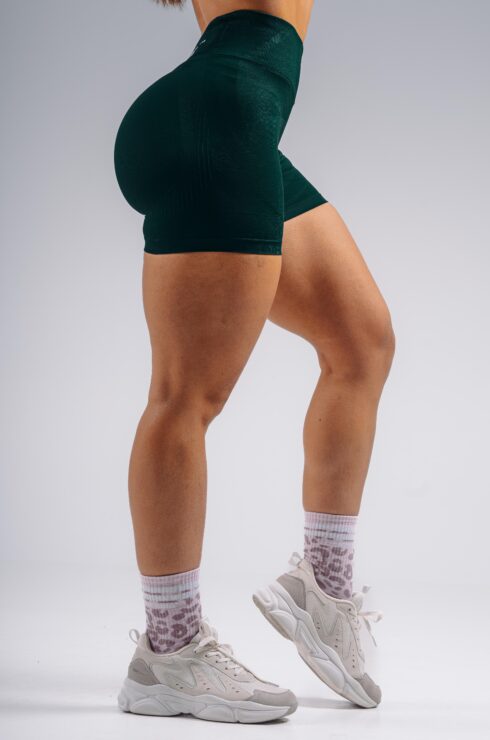
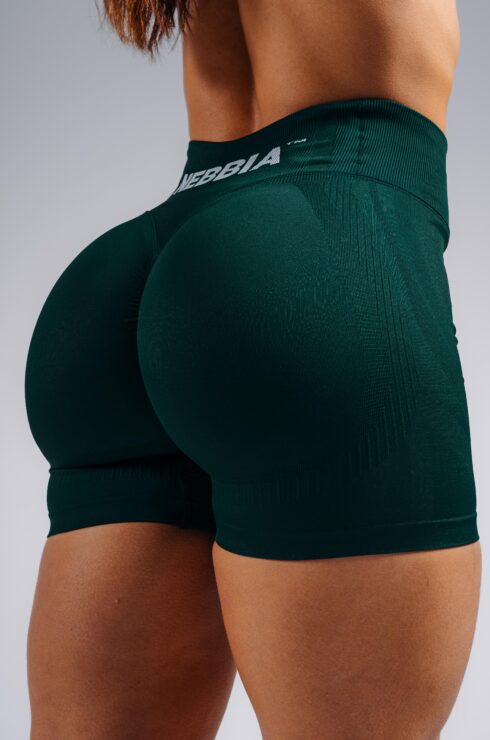
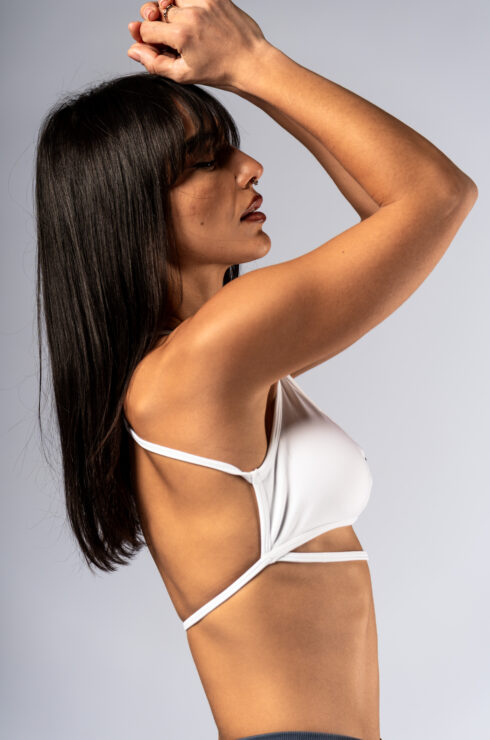
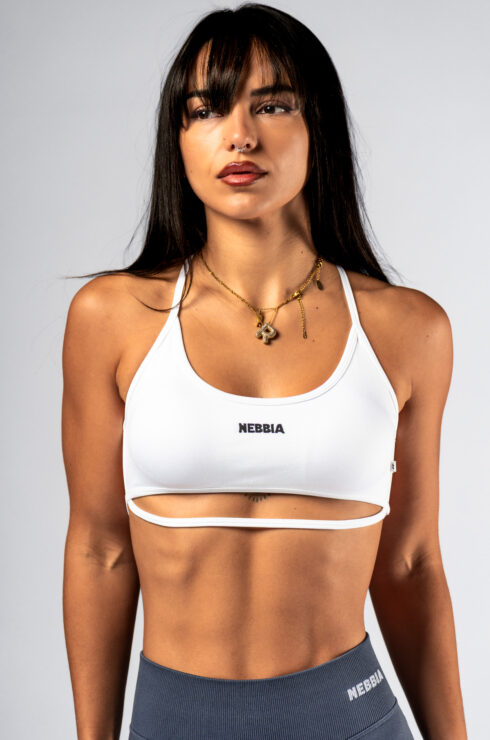
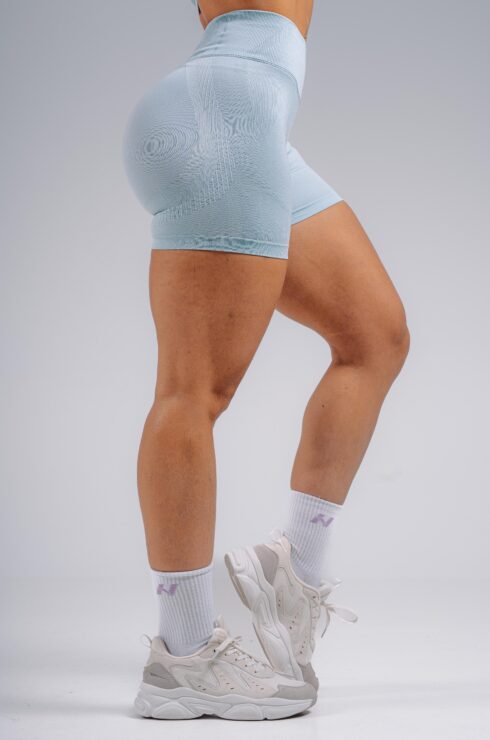
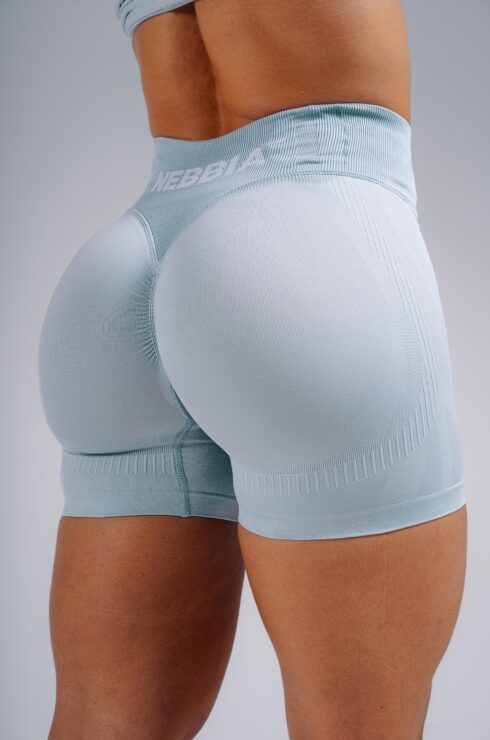
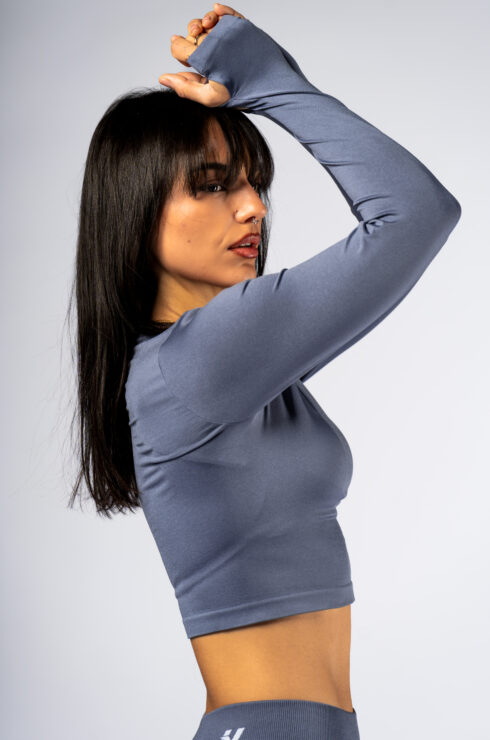
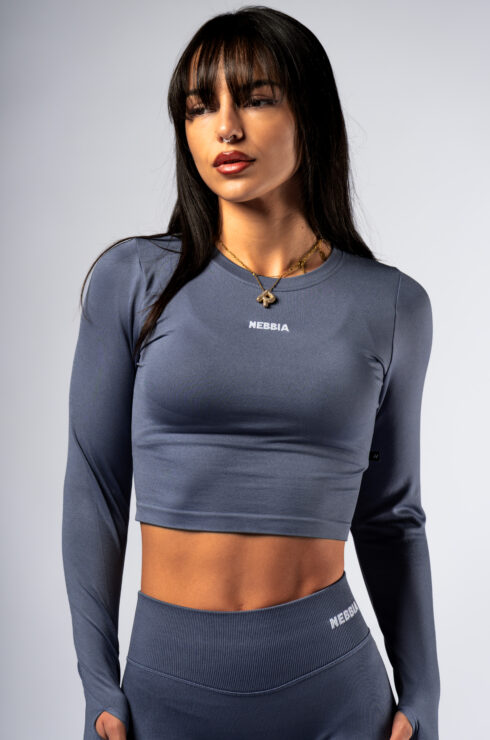
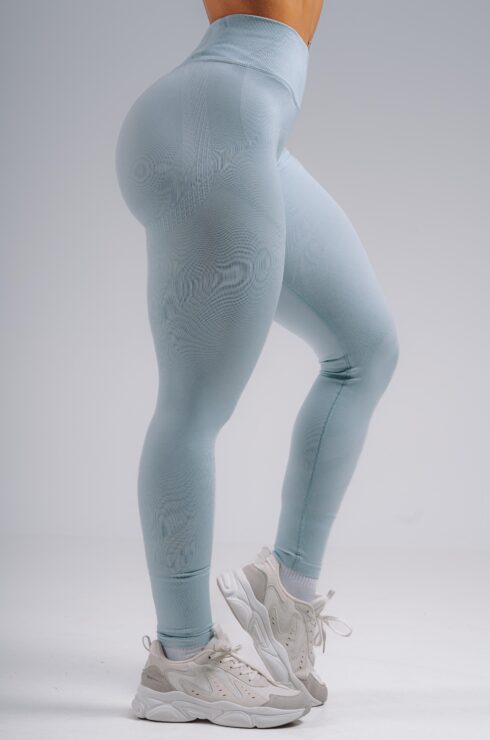
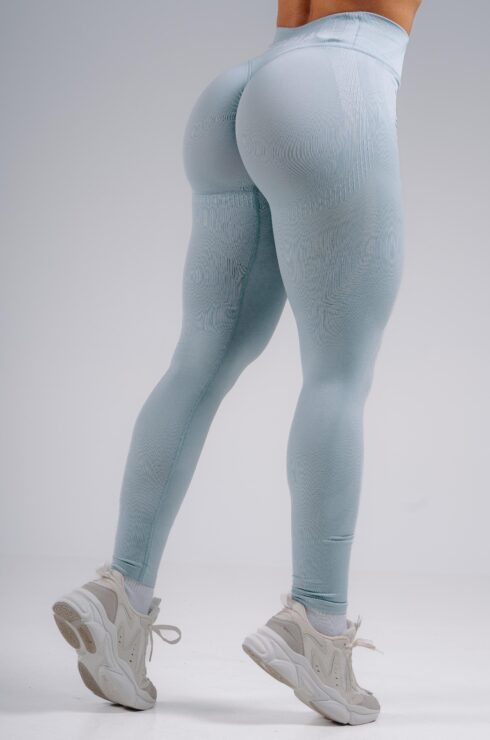
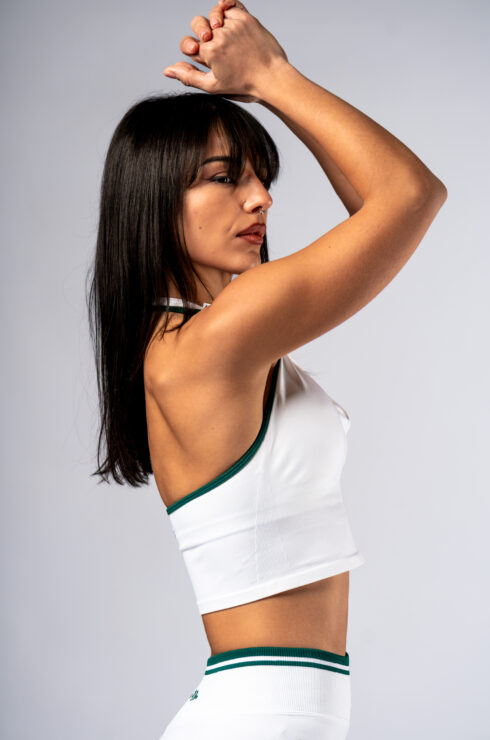
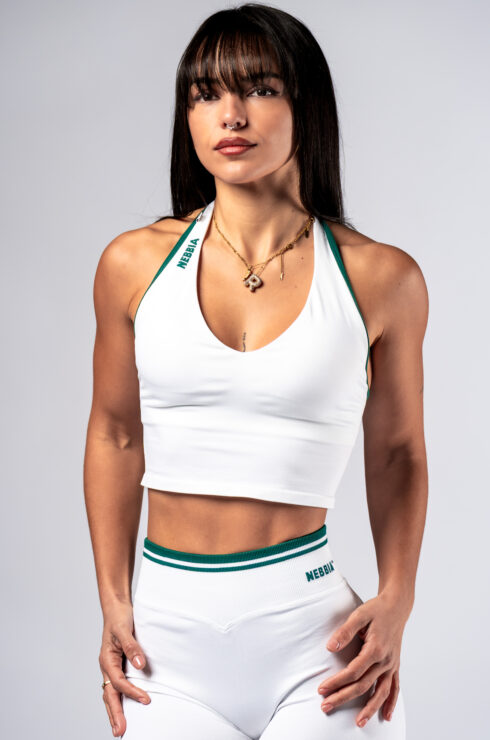
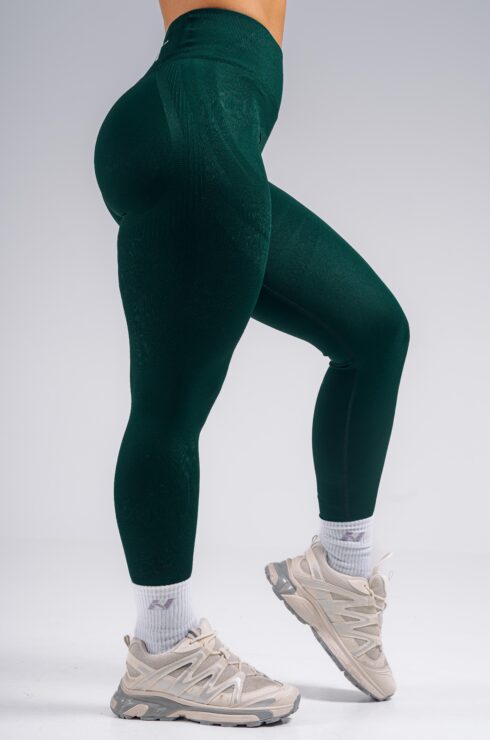
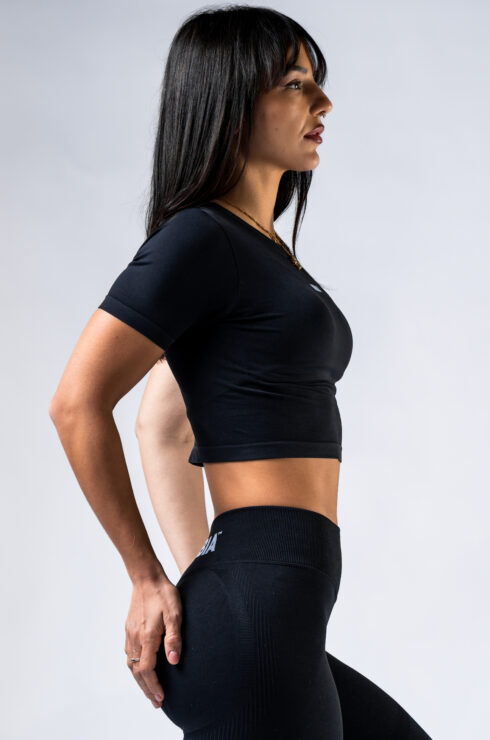
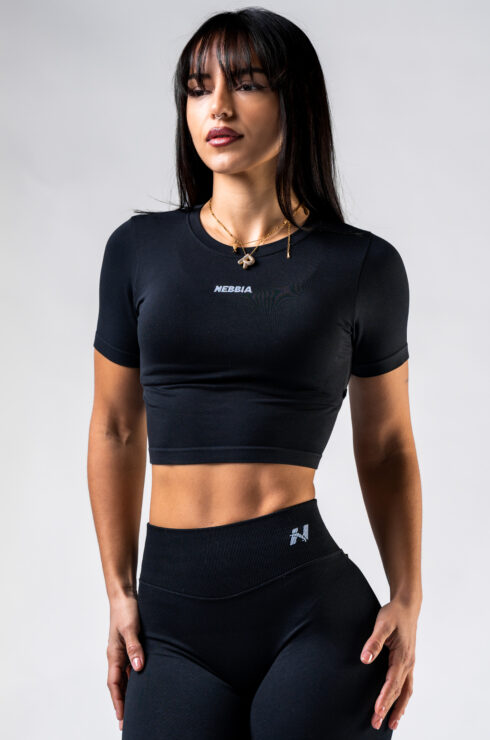
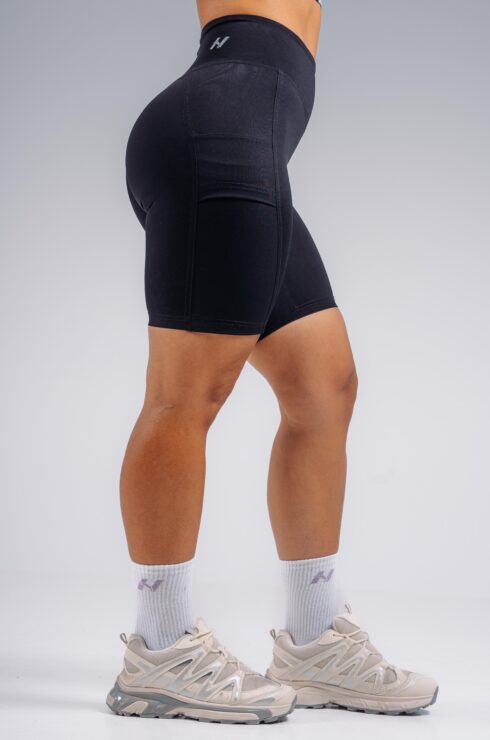
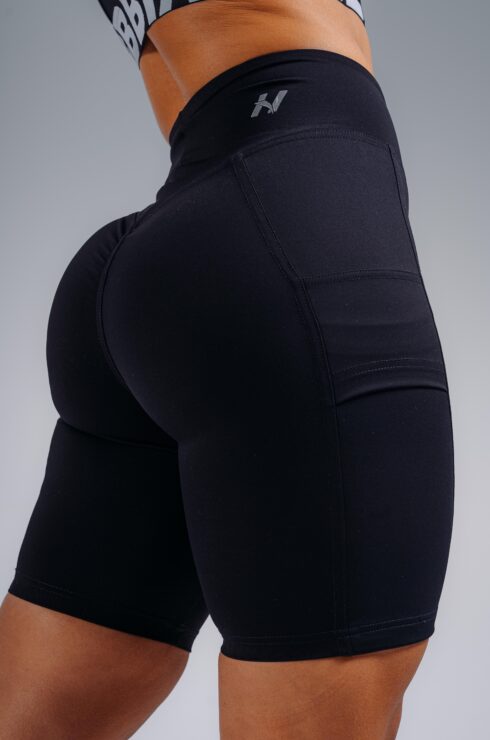
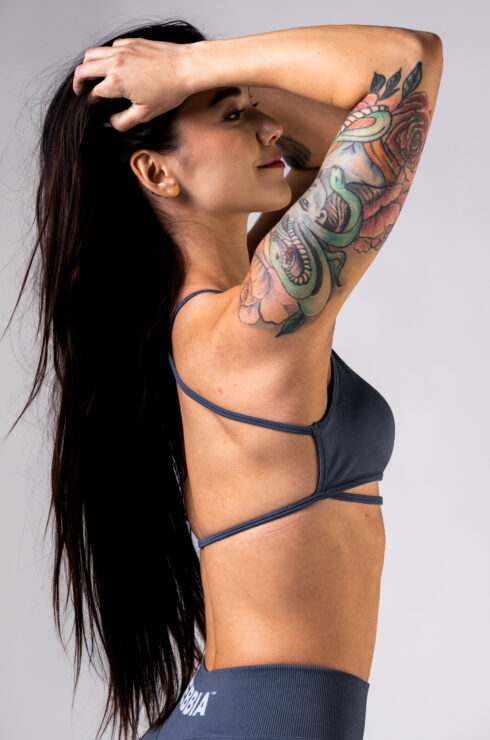
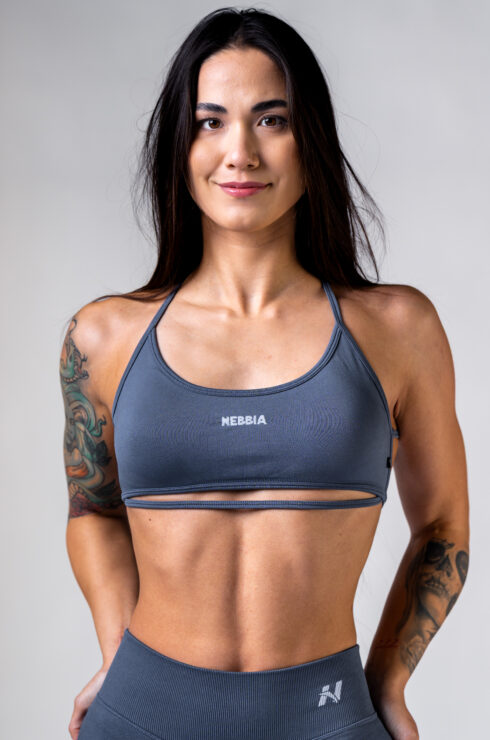
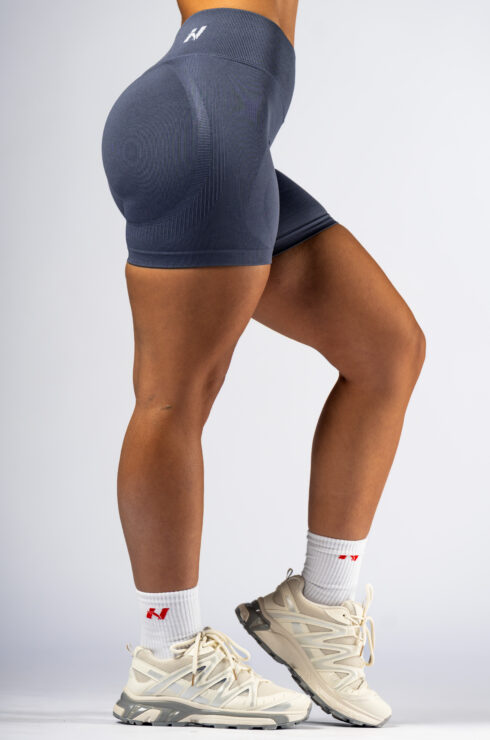
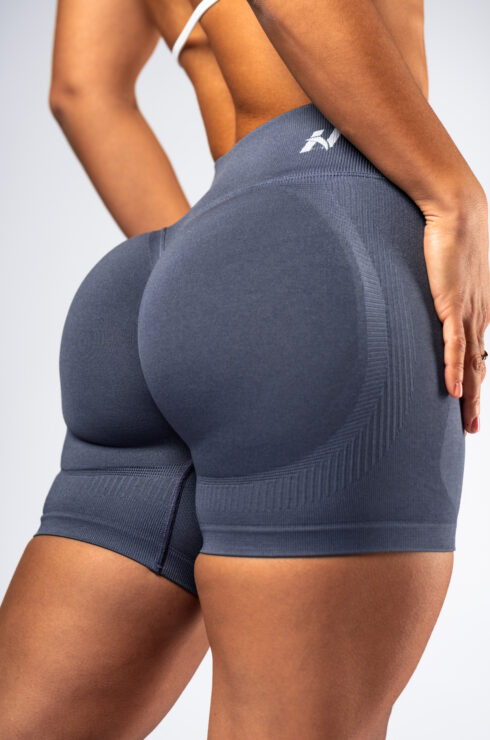
At NEBBIA, we specialize in high-performance workout clothes for women that combine functionality, comfort, and modern style. Our collection is designed for women who train hard and value quality in every detail. From sweat-wicking leggings to supportive sports bras and breathable tops, our gym clothes for women help you stay focused and confident during every workout session.
Discover the best workout clothes for women that move with you, offering the perfect fit for strength training, yoga, or running. NEBBIA’s innovative fabrics provide flexibility, durability, and superior moisture control, keeping you cool and comfortable even during intense workouts. Each piece is engineered to enhance your performance while highlighting your natural shape.
When it comes to finding the best gym clothes for women, NEBBIA stands out for its commitment to premium materials and timeless design. Our women’s workout clothes are loved by athletes, fitness influencers, and everyday gym-goers worldwide. Whether you’re training indoors or outdoors, NEBBIA ensures you look powerful, feel confident, and perform at your peak.
FAQ
What gym clothing features help prevent chafing on long treadmill sessions or high-rep workouts?
For long treadmill sessions or high-rep workouts, the main goal in gym clothing is to reduce friction and manage moisture. Key features that help prevent chafing include:
- Seamless clothes – clothing with minimal seams or flat seams reduces rubbing against the skin, especially in areas like inner thighs, underarms, and around the waist.
- Moisture-Wicking Fabrics – materials that pull sweat away from the skin (like polyester blends, nylon, or technical fabrics) keep you dry and minimize friction.
- Stretch and compression fit – clothes that move with your body or provide a snug, supportive fit prevent fabric from bunching or rubbing during repetitive movements. Compression shorts or leggings are particularly good for thigh chafing.
- Breathable panels – mesh or ventilated zones in high-sweat areas improve airflow and help reduce moisture accumulation, which can lead to chafing.
- Proper length and coverage – longer shorts or leggings with a snug fit can protect areas prone to friction, such as inner thighs.
- Soft, smooth fabric – fabrics with a soft hand feel reduce friction against skin, especially during extended workouts.
I'm trying to decide whether to pay more for premium activewear - what are the specific features that justify the price?
Premium brands invest heavily in fabric engineering.
- Moisture-wicking & sweat management: High-end fabrics pull sweat away faster and dry quicker, keeping you comfortable during intense workouts.
- Breathability zones: Some garments have mesh panels or knit variations to improve airflow.
- Temperature regulation: Fabrics designed to keep you cool or warm depending on conditions.
- Odor resistance: Often achieved with antimicrobial treatments (useful if you train frequently).
- Budget gear can wick sweat, but premium versions tend to perform better under heavy use.
Better Fit & Ergonomic Design
- 4-way stretch with recovery: Moves with your body without losing shape.
- Body-mapped construction: Designed around how muscles move (less restriction).
- No-chafe seams: Flatlock or bonded seams prevent irritation.
- Compression (when intended): Helps with support and muscle stability.
- Premium gear often feels “invisible” when you movecheap gear reminds you it’s there.
Durability & Longevity
- Higher cost often = longer lifespan.
- Fabrics resist pilling, fading, and stretching out
- Waistbands and elasticity hold up after many washes
- Stitching is stronger and less likely to fail
- If you work out frequently, premium gear can actually be cheaper per wear.
Higher-end pieces are often designed for specific activities:
- Running: lightweight, anti-chafe, reflective elements
- Training: abrasion-resistant, flexible
- Yoga: ultra-soft, high stretch, stay-put waistbands
- Outdoor: UV protection, water resistance
When Premium Is Worth It
It’s usually worth spending more if:
- You work out 4-5+ times per week
- You do high-intensity or long-duration training
- You’ve had issues with cheap gear (chafing, wear, poor fit)
- You want gear that lasts a long time
When It’s Not Worth It
- You can save money if:
- You’re a casual or occasional exerciser
- You mainly do low-intensity workouts
- You don’t care about longevity or advanced features
What are the best athleisure clothes for flexibility and movement?
When flexibility and freedom of movement are the priority, the fabric, cut, and construction matter more than the brand name.
Heres what to look forand specific athleisure pieces that consistently perform well.
Look for 4-way stretch materials that move in all directions:
- Nylon + elastane (spandex/Lycra) smooth, durable, very flexible
- Polyester + elastane lightweight, sweat-wicking, good recovery
- Modal or bamboo blends softer, drapier, great for low-impact movement
- Ribbed stretch knits flexible without feeling flimsy
Avoid heavy cotton for workoutsit absorbs sweat and restricts movement once damp.
Yoga / Pilates: Seamless leggings, longline bras, soft modal tops
Gym / HIIT: Compression leggings, stretch tees, supportive bras
Everyday movement: Ribbed sets, relaxed joggers with elastane
What are the benefits of seamless sports clothes?
Seamless sports clothes offer several distinct benefits that combine comfort, performance, and style:
1. Enhanced Comfort – Without seams rubbing against the skin, theres less irritation or chafing during movement, making it ideal for long workouts or all-day wear.
2. Better Fit & Flexibility – Seamless construction allows the garment to stretch and contour naturally to your body, providing a more supportive and adaptive fit.
3. Moisture Management – Many seamless pieces are designed with breathable, sweat-wicking fabrics that keep the body dry and comfortable.
4. Improved Range of Motion – The lack of restrictive seams allows for unrestricted movement, which is especially beneficial for yoga, Pilates, and dynamic workouts.
5. Sleek, Minimalist Look – Seamless designs often look more polished and modern, allowing athleisure to double as casual everyday wear.
6. Durability – Seamless construction reduces weak points where traditional seams might tear or fray, extending the life of the garment.
7. Lightweight Feel – Many seamless garments feel almost second-skin, reducing bulk and adding to overall comfort.
What are the most durable athleisure clothes?
Heres a clear breakdown of what actually lasts (and why), plus proven options.
- High nylon/polyamide content more abrasion-resistant than cotton or polyester blends
- Elastane (spandex) keeps shape over time
- Double-knit or warp-knit fabrics resist pilling and thinning
- Flatlock seams less fraying and splitting
- Mid-to-heavy weight fabric thin = faster wear
What to I avoid (if durability matters)
- Ultra-thin soft leggings (they pill fast)
- Cheap polyester-only fabrics (lose shape quickly)
- Overwashing + dryer use (biggest killer of lifespan)
Pro tips to make them last 23× longer
- Air dry always (heat destroys elastane)
- Avoid fabric softener (breaks down fibers)
- Rotate outfits (dont wear the same pair daily)
What are the benefits of wearing sustainable workout clothes?
Wearing sustainable workout clothes comes with a mix of personal, environmental, and even performance-related benefits.
Heres how they can make a difference:
- Sustainable activewear is typically made from recycled materials (like plastic bottles or regenerated nylon) or eco-friendly fibers (such as organic cotton or bamboo).
- This reduces waste, lowers carbon emissions, and uses fewer natural resources compared to conventional clothing production.
- Many sustainable fabrics avoid harsh chemicals, dyes, and synthetic treatments.
- That means they’re often gentler on your skinespecially helpful if you have sensitivities or work out frequently.
- They’re also designed to be breathable and moisture-wicking, so performance doesnt take a hit.
- Eco-conscious brands often prioritize quality over fast fashion.
The result: workout clothes that last longer, hold their shape, and maintain performance after many washes.
- That means fewer replacements and better value over time.
- Sustainable activewear is often tied to fair labor practices.
- That means safer working conditions and fair wages for the people making your clothessomething thats not always guaranteed with cheaper, mass-produced gear.
- Wearing something aligned with your values can feel good.
- For many people, choosing sustainable gear adds a sense of purpose to their routine, reinforcing a broader commitment to health and responsibility.
- Some eco-friendly materials (like merino wool or bamboo blends) naturally resist odor and bacteria, meaning fewer washes and fresher geargreat for both convenience and sustainability.
In short, sustainable workout clothes dont just reduce harmthey often improve your overall experience, from comfort and longevity to peace of mind.
What are the best women's workout clothes for cold weather?
When it comes to cold-weather workouts, the best womens clothing isnt just about warmthits about layering, moisture control, and mobility.
Key rule: layer smart (not bulky)
The most effective setup is 3 layers:
1. Base layer
- keeps sweat off your skin. This matters because staying dry is just as important as staying warm.
Thermal leggings
- Look for: fleece-lined, brushed interior, or thermal fabrics
- Why: traps heat but still stretches and breathes
- Tip: full-length > cropped in winter
Moisture-wicking base tops
- Look for: synthetic or merino wool
- Avoid: cotton (gets cold when wet)
- Features: thumbholes, zip necks for airflow
2. Mid-layer
Hoodie
- Adds insulation while staying breathable
- Best for: outdoor workouts or warm-ups
3. Outer layer
Insulating jacket or vest
- Look for: windproof, water-resistant
- Lightweight puffer or running jacket works best
4. Joggers or outer layer pants (optional)
- Wear over leggings in very cold weather
What are the benefits of compression wear for women?
Compression wear offers several benefits for women, especially in fitness, recovery, and daily activity contexts.
Heres a thorough breakdown:
1. Improved Circulation
- Compression garments apply gentle pressure to muscles, promoting better blood flow.
- This can help reduce swelling, increase oxygen delivery to muscles, and aid in the removal of metabolic waste during and after exercise.
2. Enhanced Performance
- By supporting key muscle groups, compression wear can reduce muscle vibration and fatigue during physical activity.
- Some studies suggest this may improve endurance, stability, and strength efficiency.
3. Faster Recovery
- Wearing compression clothing after workouts may help reduce delayed onset muscle soreness (DOMS) and speed up recovery by minimizing inflammation and aiding lymphatic drainage.
4. Support and Stability
- Compression apparel can provide extra support for muscles and joints, which can improve posture, reduce strain, and lower the risk of minor injuries during activity.
5. Temperature Regulation
- Some compression fabrics are designed to wick sweat and manage heat, keeping the body cooler in warm conditions and warmer in cooler environments, making workouts more comfortable.
6. Reduced Muscle Fatigue
- By stabilizing muscles and decreasing oscillation, compression wear can help reduce microtrauma to muscle fibers, delaying fatigue during prolonged activity.
7. Confidence and Comfort
- Form-fitting compression garments can enhance body awareness, which can improve movement efficiency.
- Many women also report feeling more confident and comfortable during workouts because of the snug, supportive fit.
8. Versatility
- Compression wear isnt just for exerciseit can also be beneficial for travel, long periods of standing, or recovery after surgery due to its circulatory benefits.
What are the best women's workout clothes for hot weather?
Here are top picks and tips for womens workout clothes that perform best in hot weather breathable, moisture-wicking, and lightweight so you stay cool and comfortable when its warm out:
- Moisture-wicking tanks & tees: look for polyester blends or technical fabrics that pull sweat away from your skin.
- Breathable sports bras: mesh panels or ventilated designs help heat escape and improve airflow.
- Lightweight cropped tops: less fabric = better airflow during high-intensity workouts.
- Best Bottoms: shorts, leggings, skirts
How do I choose the right women's sports clothes for weightlifting?
1. Prioritize the right fabric
- For lifting, your clothes should handle sweat, stretch, and repeated movement.
- Go for: polyester, nylon, and spandex blends, they’re moisture-wicking, breathable, and flexible
- Avoid: 100% cotton (it absorbs sweat and gets heavy)
- For heavy sessions, compression-style fabrics can even help reduce muscle fatigue and give support
2. Look for a secure, non-restrictive fit
- Weightlifting involves squats, deadlifts, pressesyour clothes must move with you.
- Aim for a snug (not tight) fit that doesnt shift mid-lift
- Poor fit = distraction + reduced performance
3. Choose squat-proof, supportive bottoms
- This is crucial for lifting.
- High-waisted leggings or shorts better core support and coverage
- Thick, opaque fabric (no transparency)
- Stretch + recovery (keeps shape over time)
- Seamless or flat seams reduce chafing during repeated movements
4. Invest in a proper sports bra
- Even in lifting, stability matters.
- Choose medium-high support depending on intensity
- Compression or encapsulation support
- Adjustable straps
- Breathable fabric
A good sports bra prevents discomfort and lets you focus on form
5. Pick tops that don’t get in the way
- Your upper-body clothing should allow full shoulder movement.
- Racerback tanks (great for lifting range of motion)
- Fitted tees or crop tops (wont bunch during lifts)
- Avoid overly loose tops if they interfere with bar paths
6. Check durability and construction
- Lifting gear takes a beating.
- Strong stitching and reinforced seams
- Quality elastane/spandex (keeps shape after washes)
- Cheap gear often stretches out or loses support quickly
7. Think about movement-specific features
Small details make a big difference:
- Four-way stretch full range of motion
- Breathability or mesh panels stay cool during heavy sets
8. Comfort + confidence matters
If you feel good, you lift better, choose styles that:
- Stay in place
- Make you feel confident
- Don’t require constant adjusting
What are the best sports clothes for layering?
- Here are some of the best sports clothes for layering perfect for building comfortable, versatile outfits that work for workouts, travel, or everyday wear:
1. Lightweight Base Layers
- Moisture-wicking fabrics (like polyester blends)
- Ideal as the first layer under: sweaters, hoodies, and jackets.
2. Comfortable Leggings & Joggers
- Leggings (slim and stretchy), easy under long tops or sweatshirts
- Joggers: relaxed but tapered for a cleaner silhouette
- Look for styles with pockets and elastic waistbands
3. Midweight Sweatshirts & Hoodies
- Choose slightly oversized cuts
4. Functional Outer Layers
- Light jackets (windbreaker or softshell)
- Puffer vests keep core warm without bulk
- Track jackets add style and movement
5. Versatile Tops
- Long-sleeve tees are easy to combine with hoodies
- Oversized tees are great if you wear a crop or leggings
What are the best women's workout clothes for high-intensity training?
For high-intensity training (HIIT, running, CrossFit, etc.), the best womens workout clothes are all about support, sweat control, and durability.
1. High-impact sports bra
- Compression + encapsulation support (reduces bounce)
- This is non-negotiable, bad support will ruin your workout.
2. Leggings or shorts (performance > style)
- Compression fit improves support + stays in place
- Moisture-wicking fabric keeps you dry during intense sweat
- Pro tip: darker colors hide sweat better during intense workouts.
3. Breathable tops or tanks
- Lightweight, stretchy fabric
- Avoid thick cotton (it traps sweat)