

































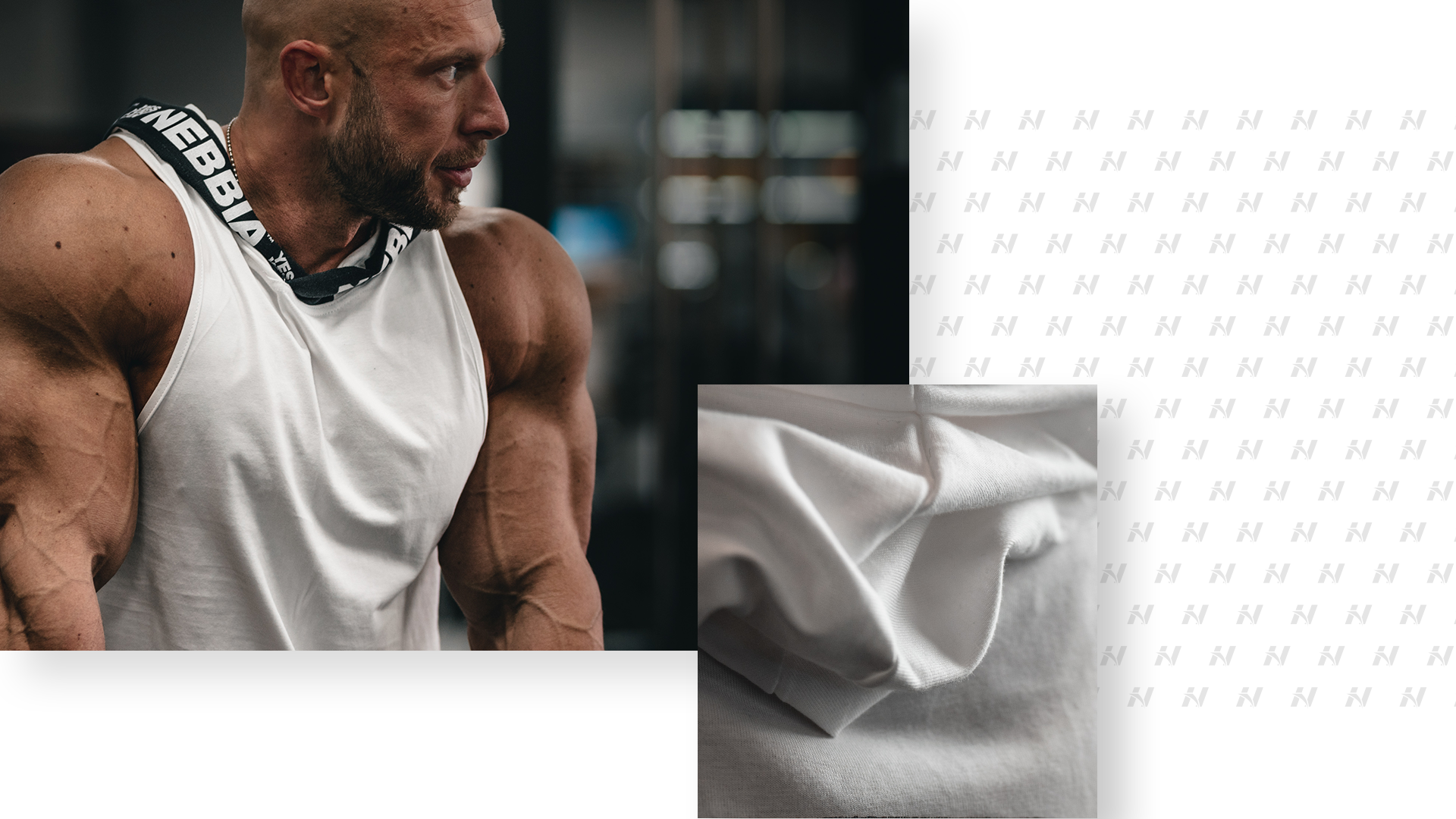
When we buy clothes, we intuitively choose natural materials. At the same time, we often dismiss polyester and other synthetic fabrics as “artificial.” However, emotions should be set aside when buying sportswear. While cotton shirts are a timeless classic, they’re not always the best choice for you. Find out when to choose the functional qualities of polyester and when to opt for comfortable cotton.
Sportswear Material Matters
When you exercise and/or are in a hot environment, your body heats up. To avoid overheating, you have a perfect thermoregulation system that adjusts your body temperature based on the difference from its natural state. In other words, when you heat up, your body tries to lower its temperature by removing heat from your body to cool itself. How? By vaporizing sweat from your skin.
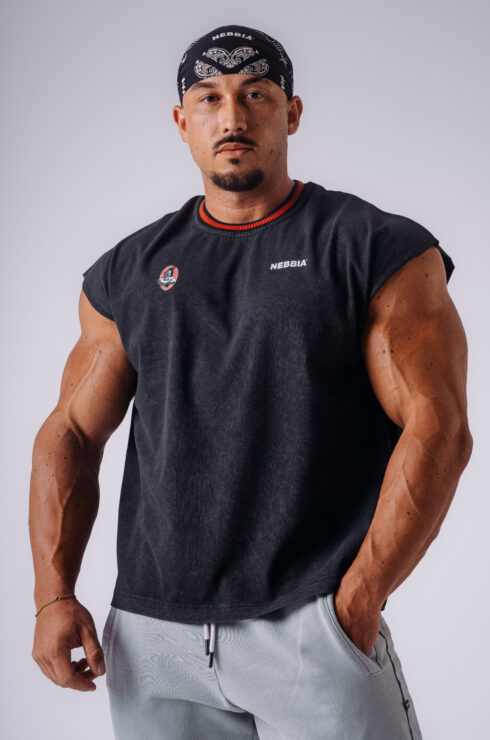
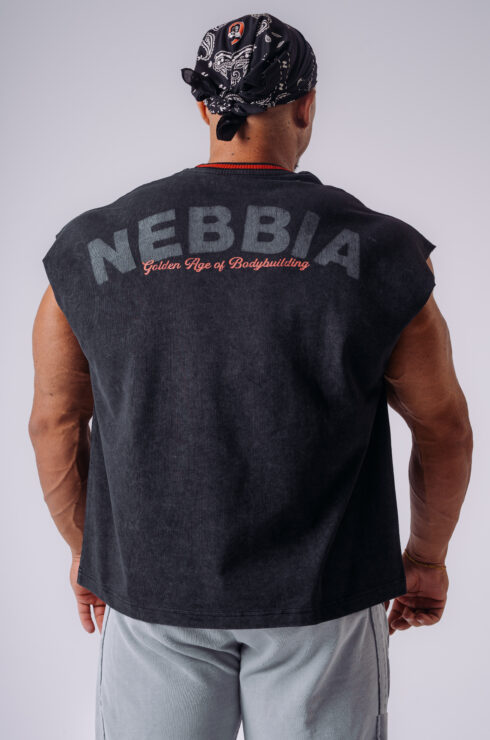
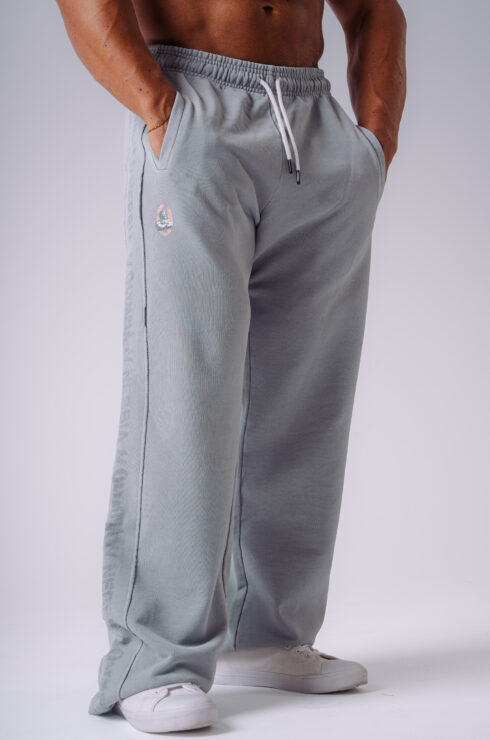
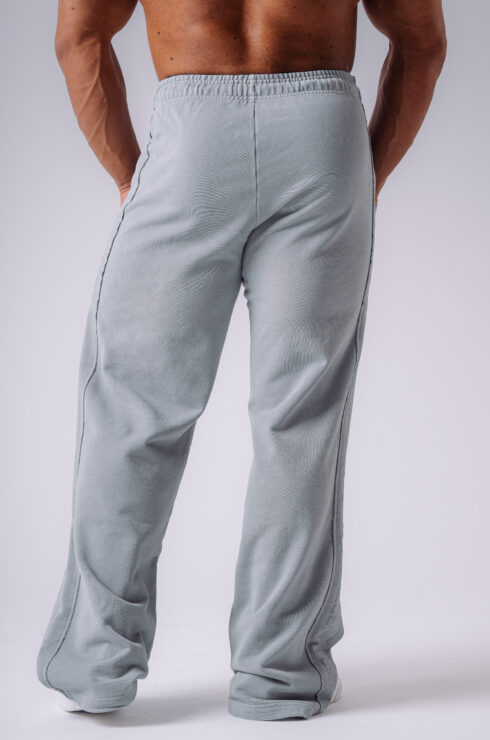


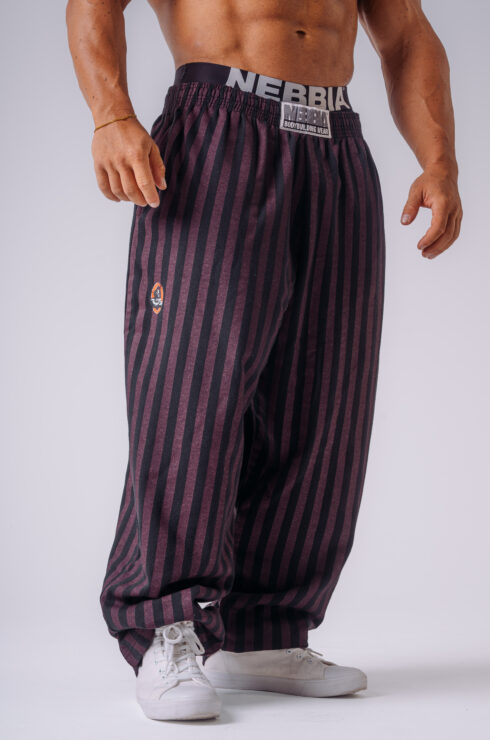
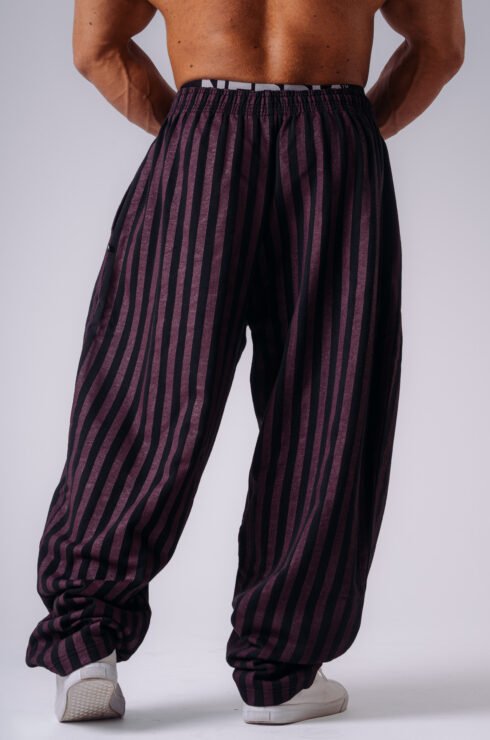




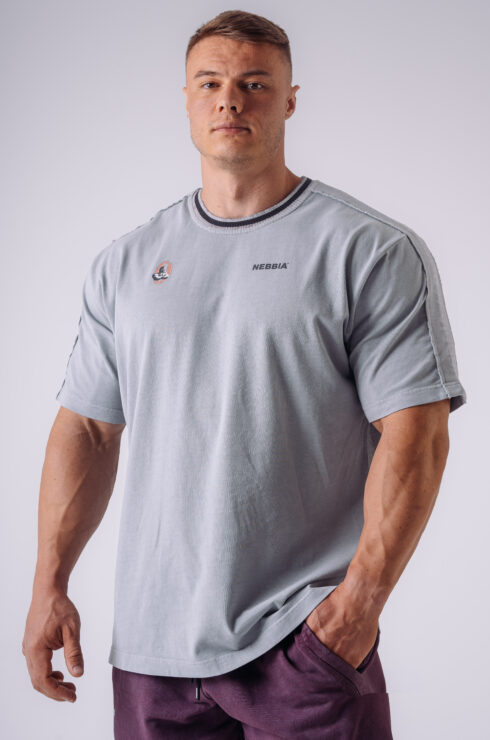



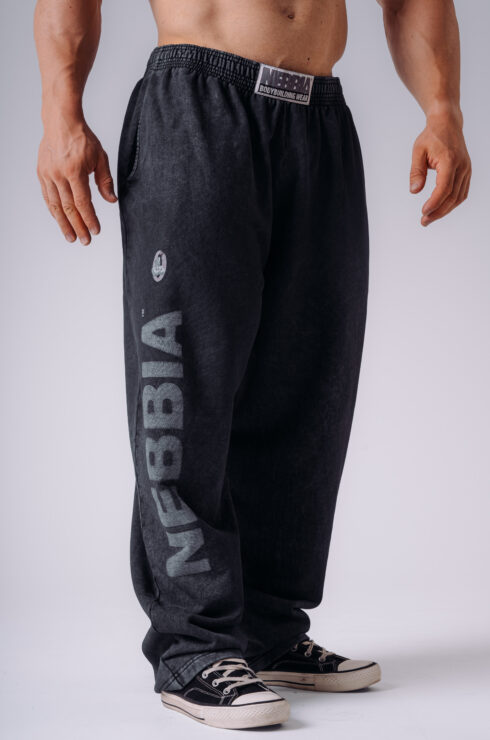
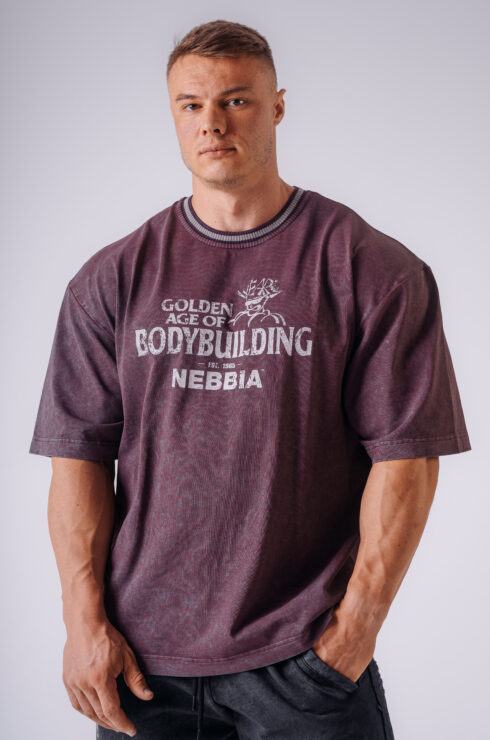
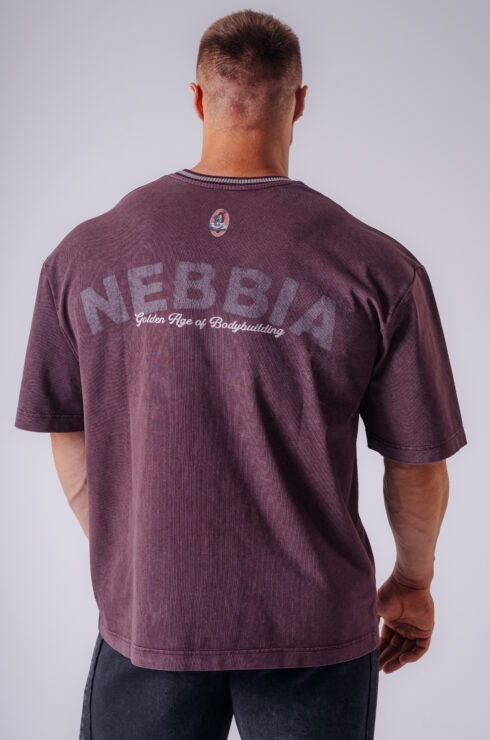


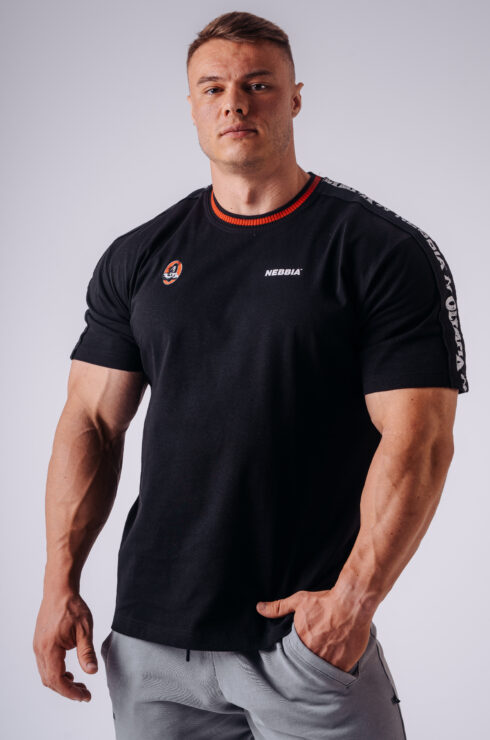
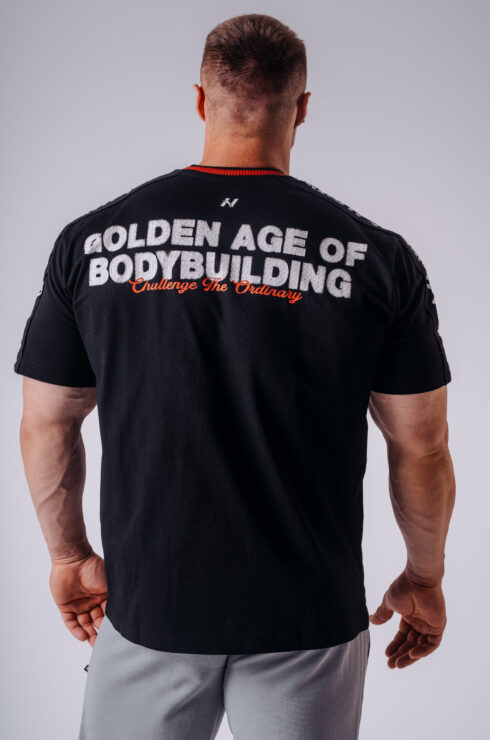






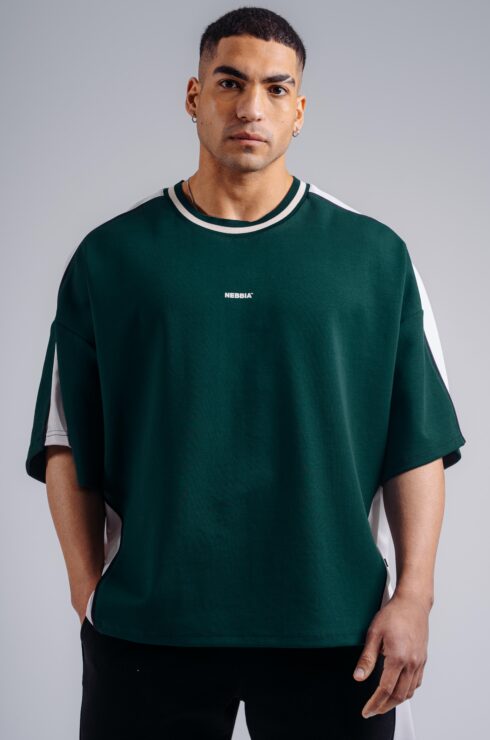
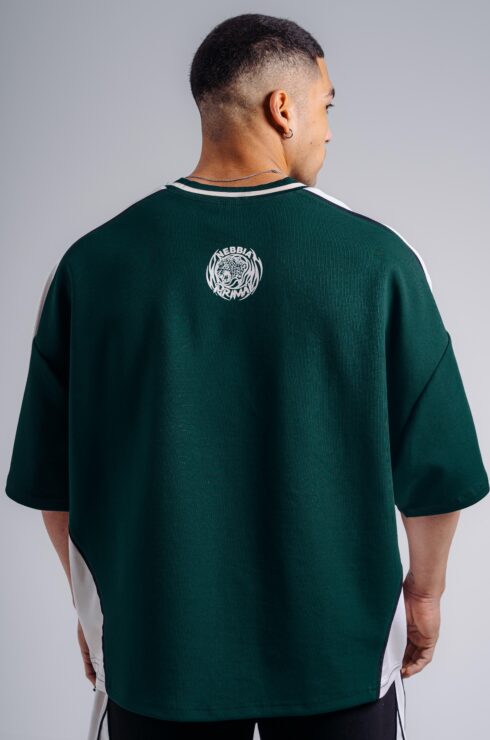
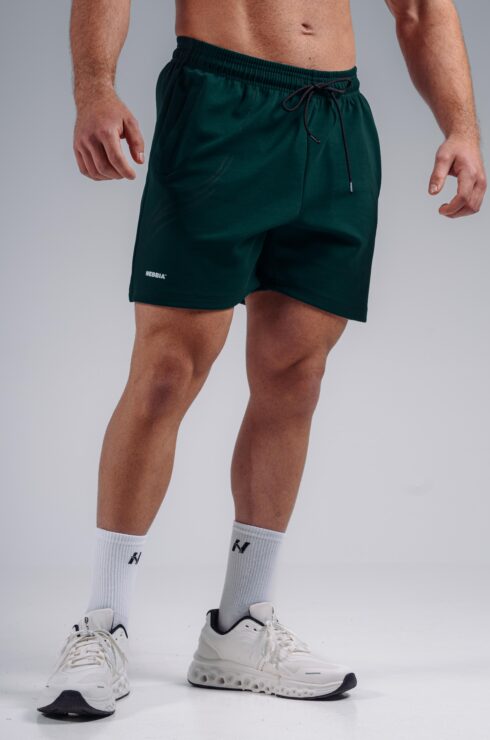
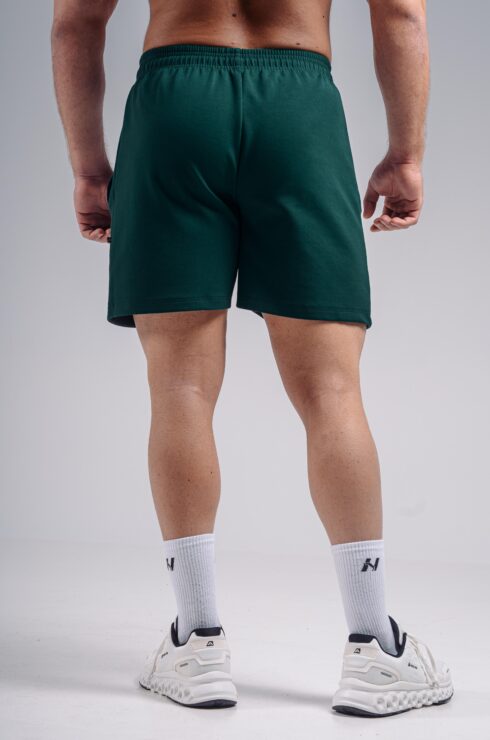
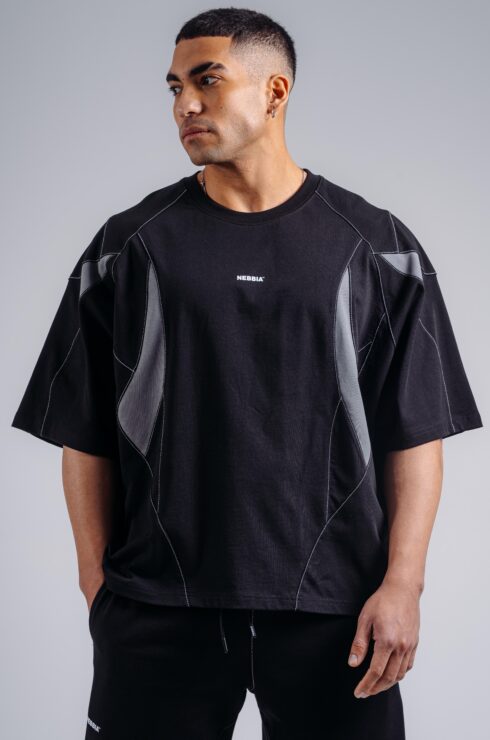
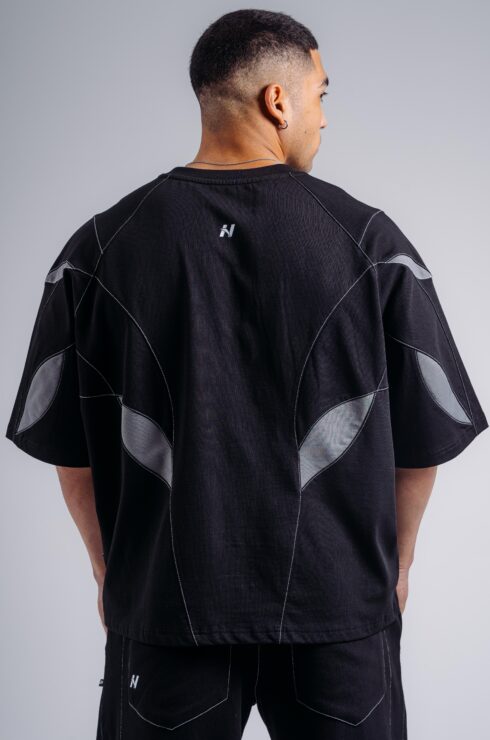
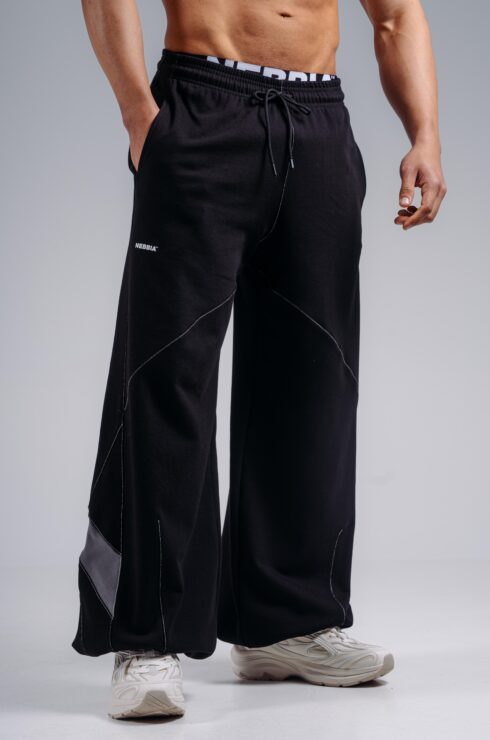
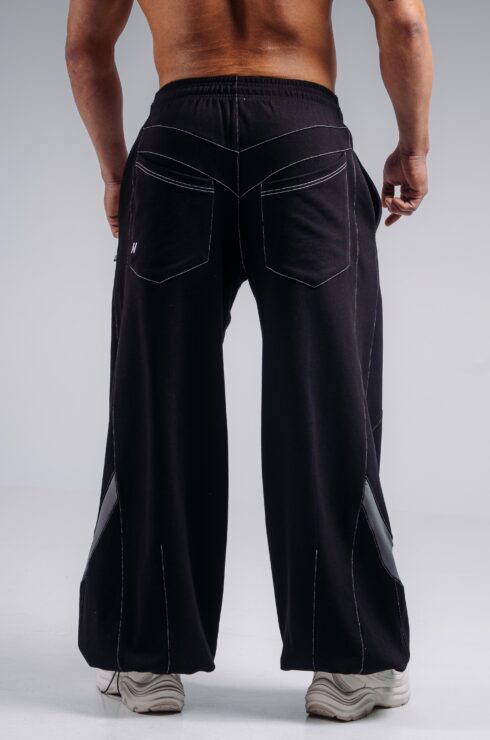
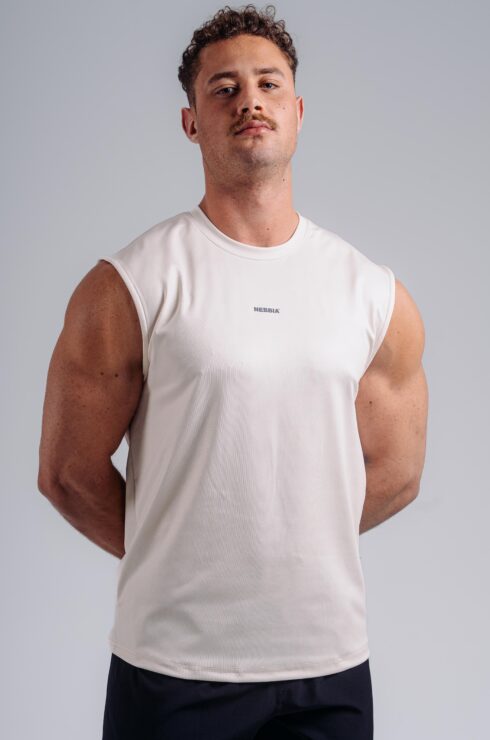
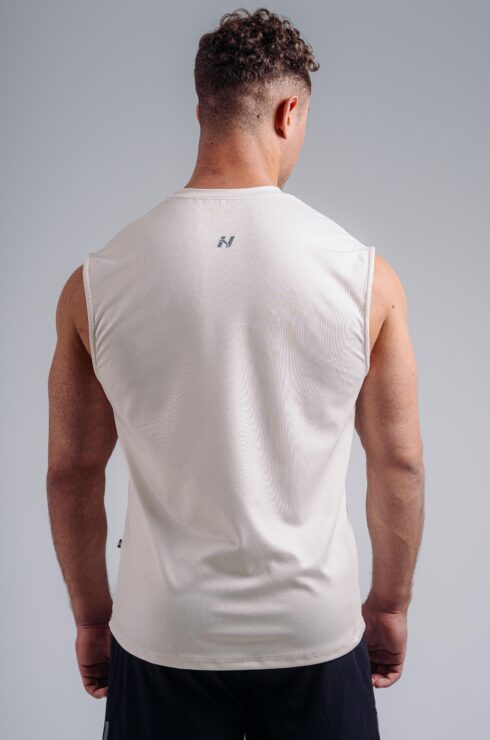
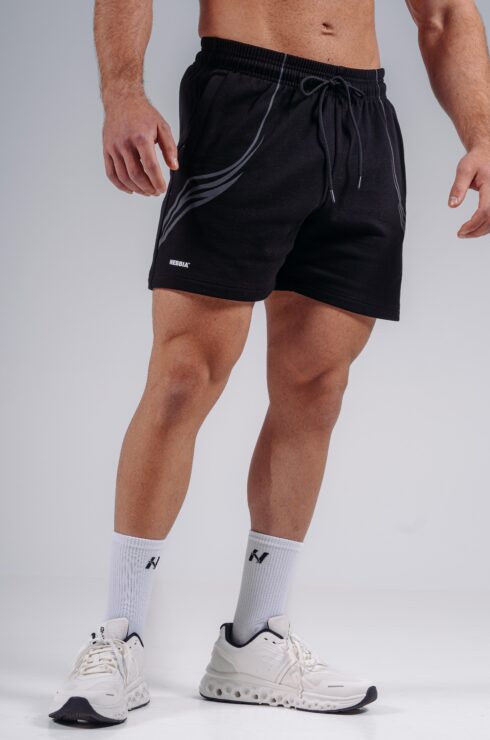
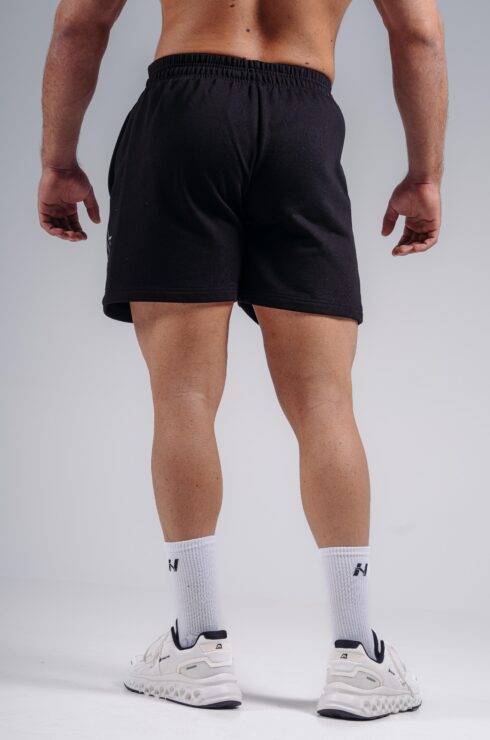
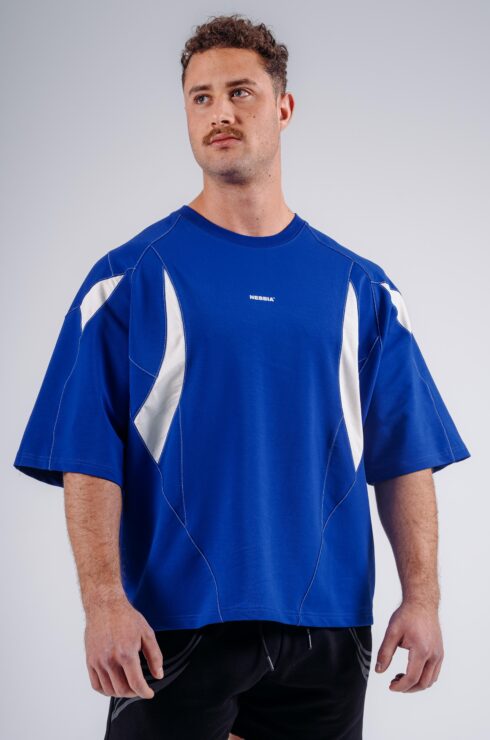
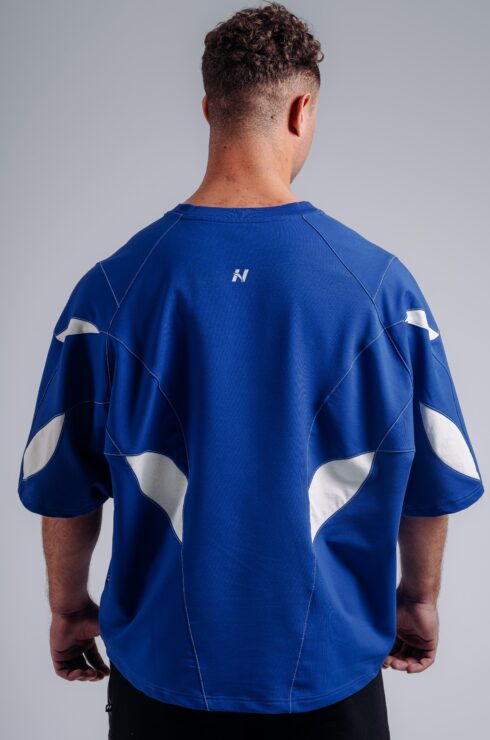
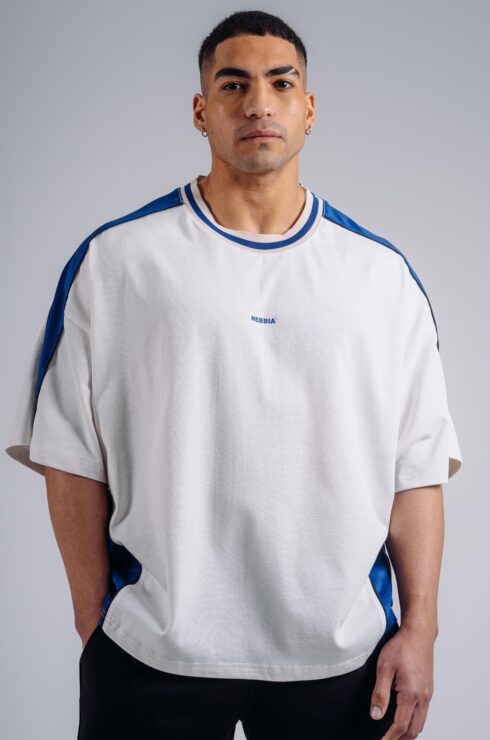
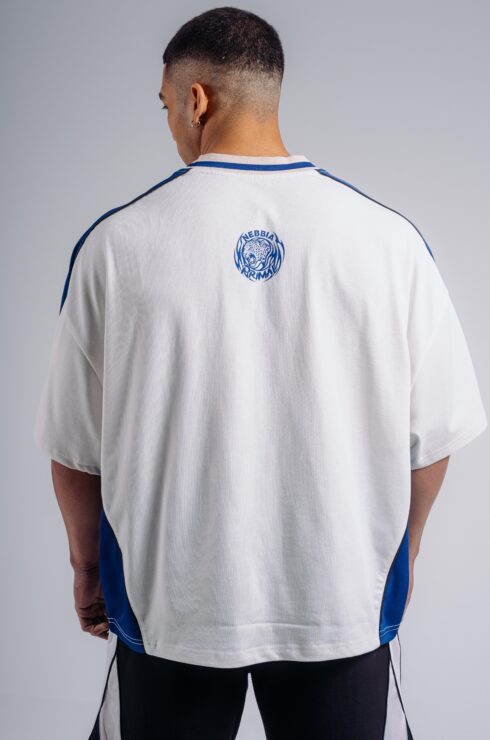

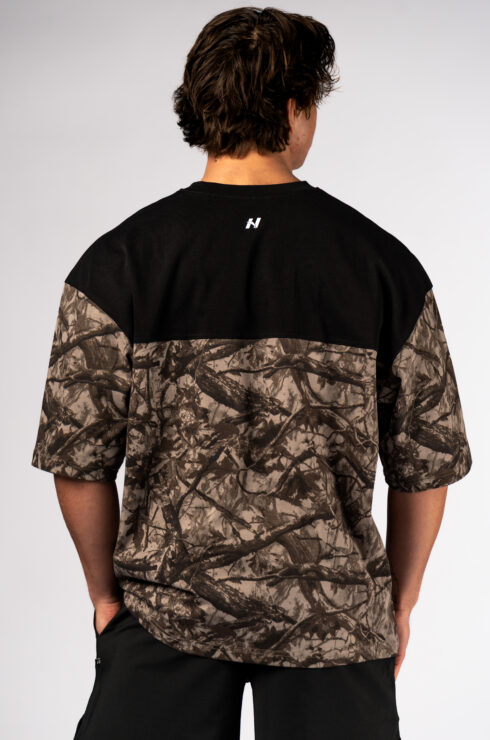
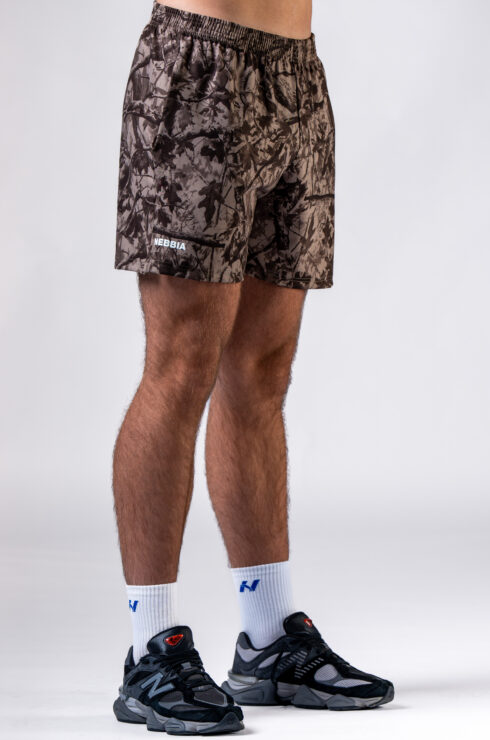
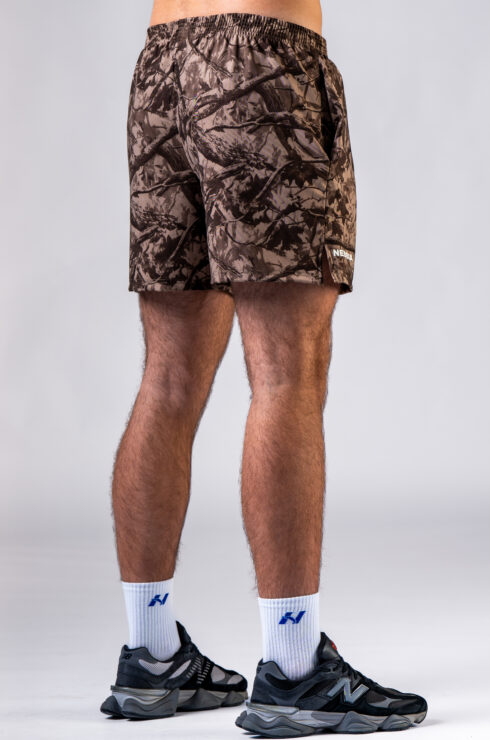

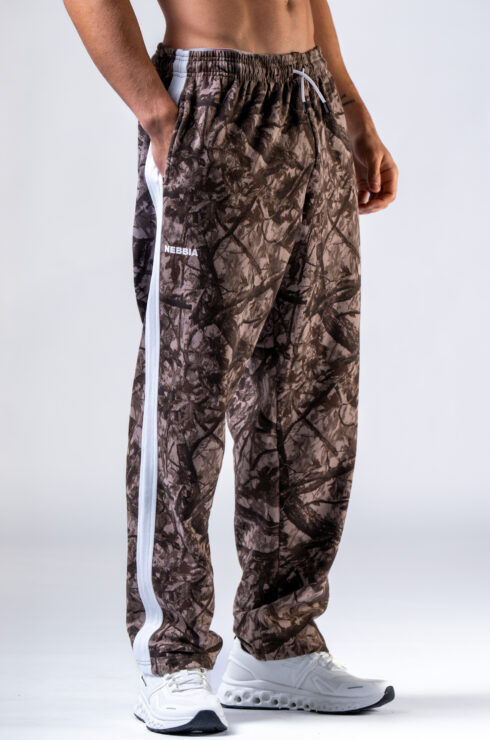
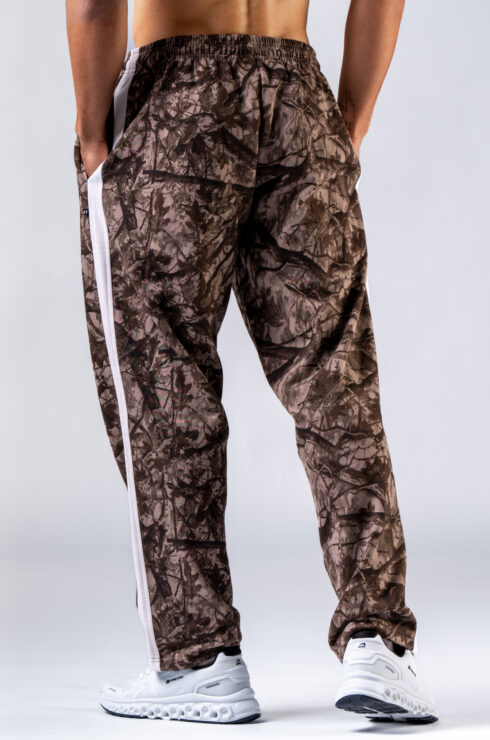

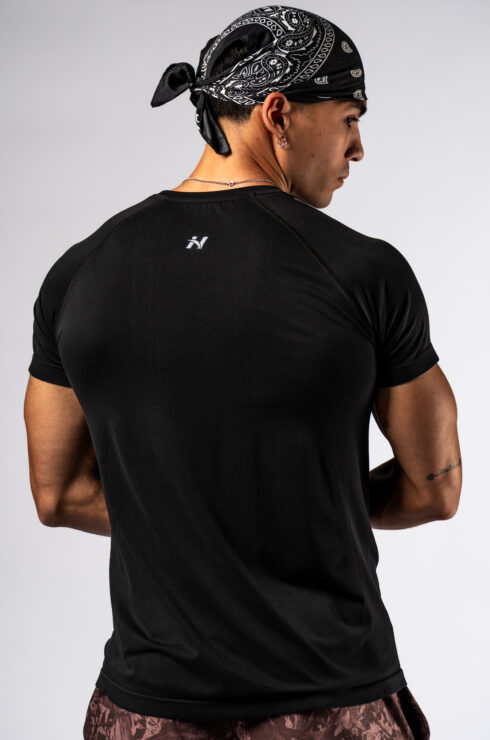
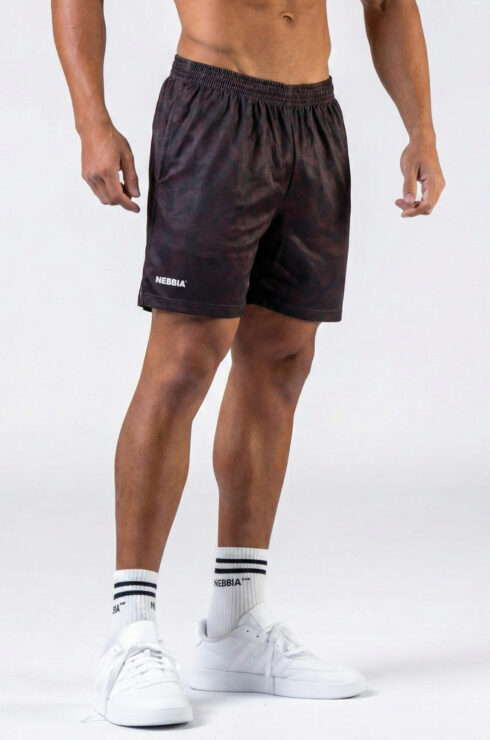
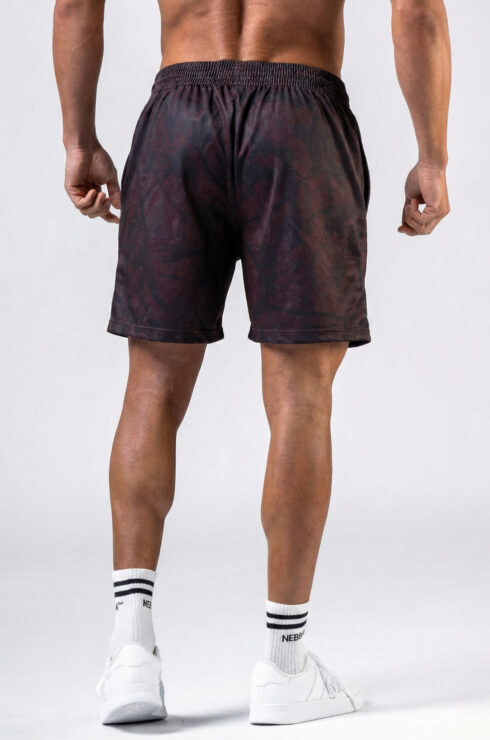
For this reason, the material must allow the body to wick away sweat so as not to overheat. If you work out in a cold environment wearing a sweaty shirt, you could catch a cold. The right material should also be flexible, permeable, and durable, without being itchy or irritating to the skin. Ideally, you shouldn’t even notice, while enjoying the luxury of fully focusing on your workout.
When to wear cotton
Cotton garments offer comfort and sufficient freedom of movement. They are hypoallergenic, making them suitable even for people with sensitive skin. Cotton garments are also durable, long-lasting, low-maintenance, and don’t stink when wet. Another advantage is their lower cost compared to other natural materials, such as wool. They are the right choice for warm, dry environments, low-intensity workouts, and short exercises that allow you to change into dry clothes afterwards.
Although cotton allows the skin to breathe, this doesn’t mean sweat can evaporate. Cotton is pleasant and breathable, but not enough to make us sweat. Cotton gets wet during intense workouts and dries very slowly. A good alternative is cotton with added linen or polyester.
Pros: Durability, softness, permeability, long life, price, natural origin, does not smell, good for all-year wear
Cons: Absorbs moisture, makes you feel greasy when you sweat, prevents sweat evaporation, is less elastic than synthetic materials.
When to wear polyester
Synthetic materials, such as polyester, polyamide, elastane, or a combination thereof, have similar qualities. Their main advantage for athletes is their ability to wick moisture, which does not impede heat regulation like cotton. They are stretchy, wrinkle-resistant, durable, and dry quickly. A good combination of synthetic materials allows manufacturers to create a soft and comfortable garment with functional features for any sport.
Unlike cotton, it’s a synthetic material, which can stink after repeated wear. However, with the right laundry detergents, this can easily be avoided. However, unknown manufacturers of cheap synthetic garments can increase the risk of allergic reactions due to the amount of chemicals used during the manufacturing process.


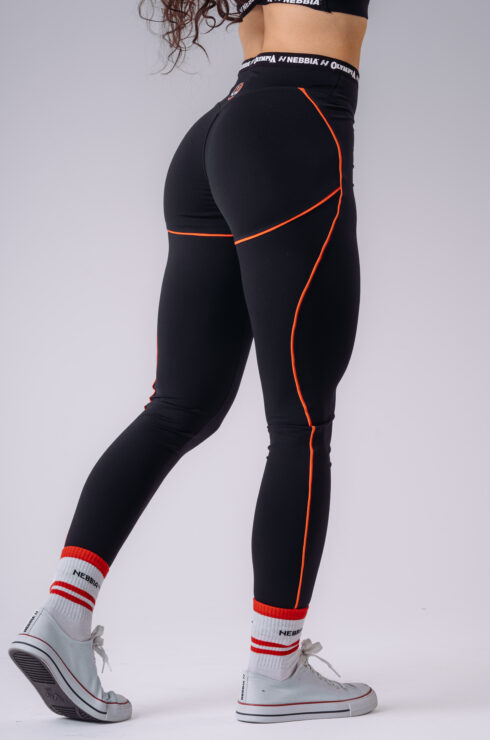
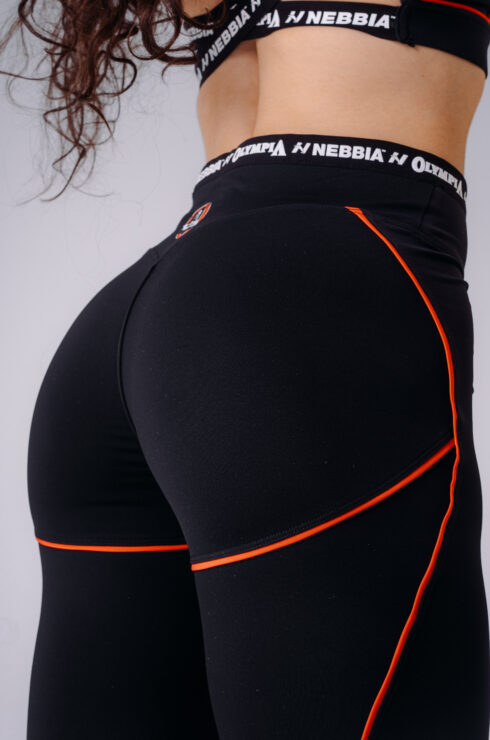



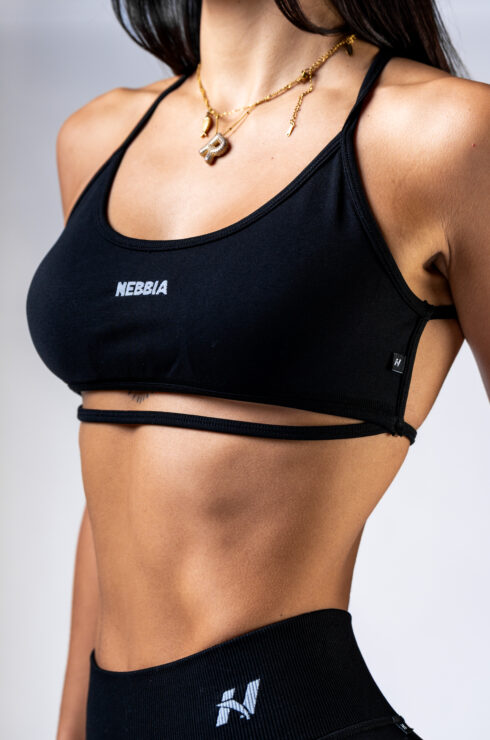
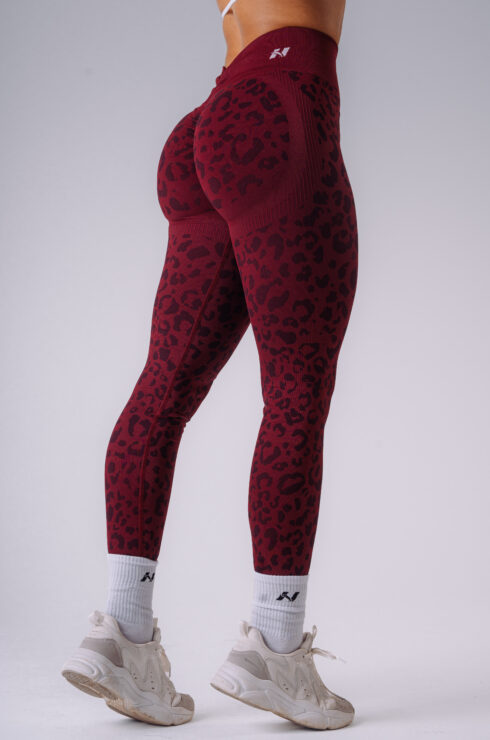
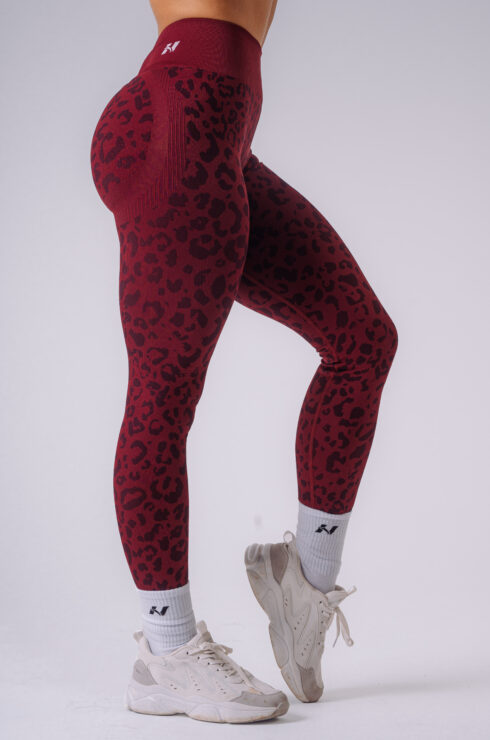


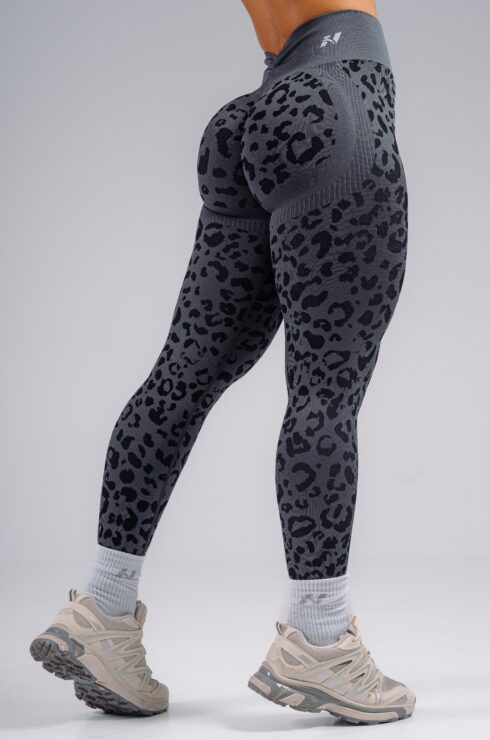
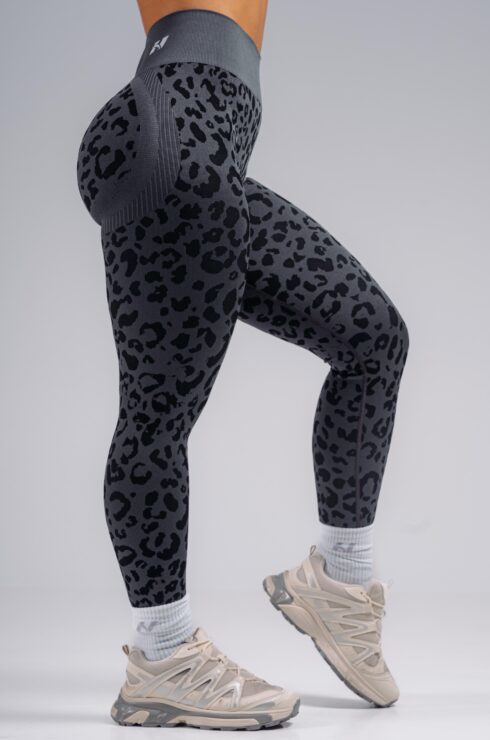


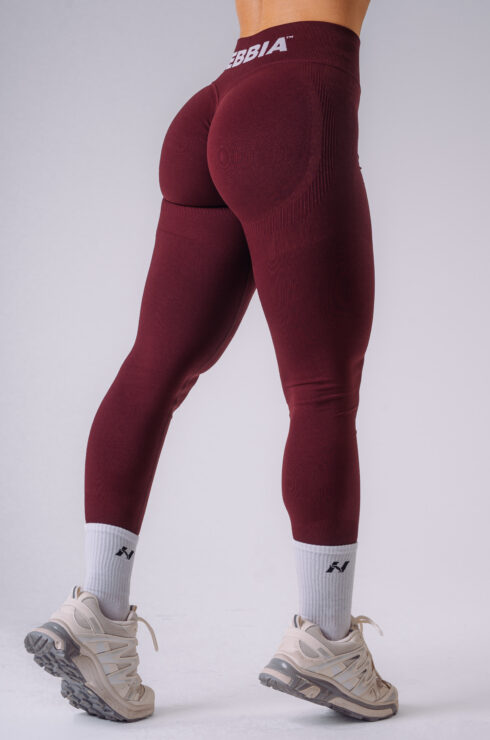
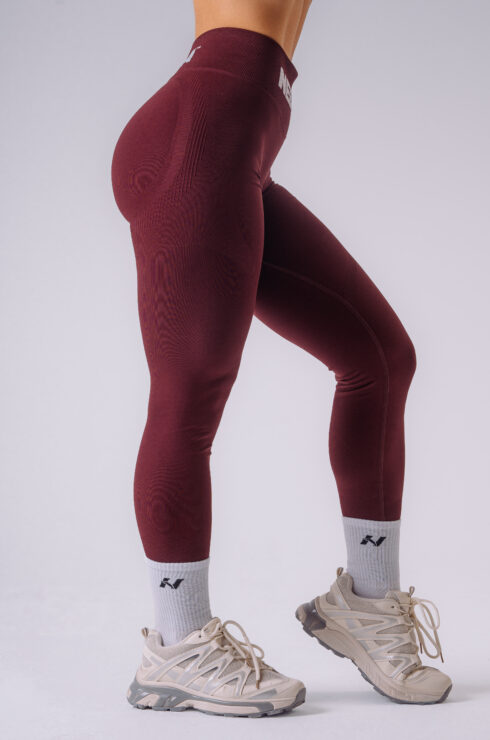
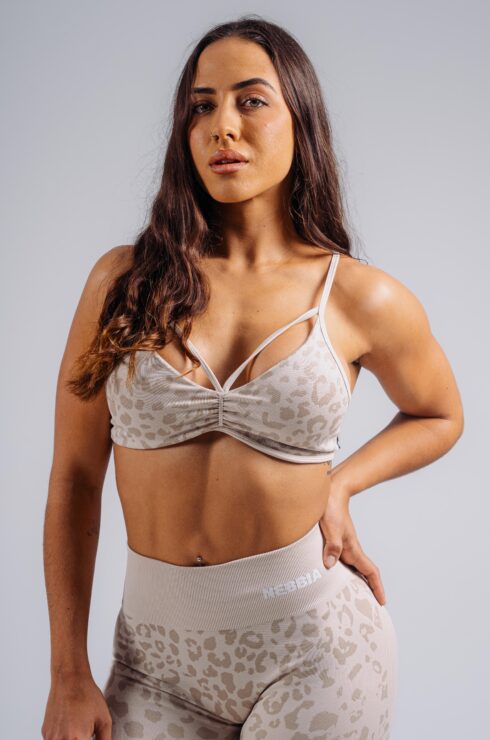

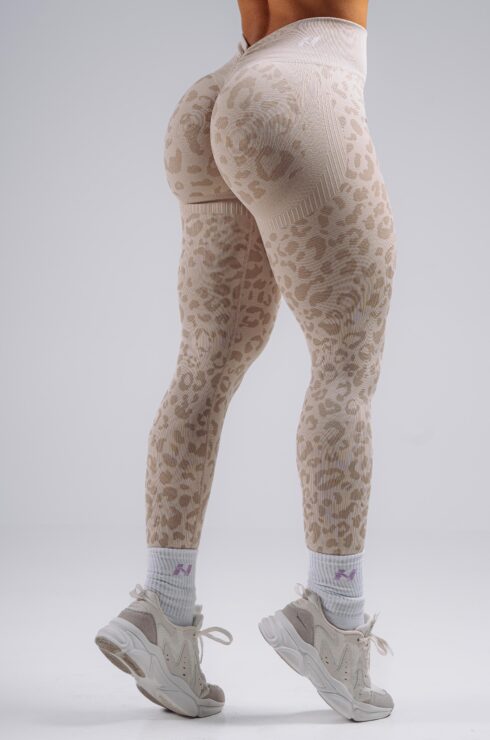
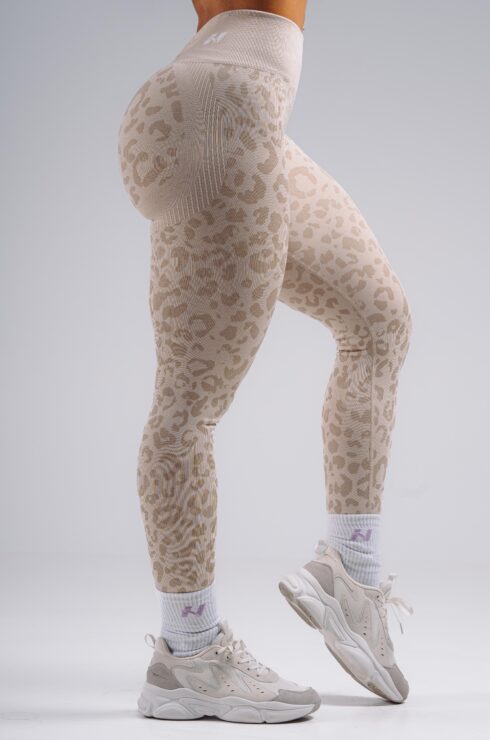

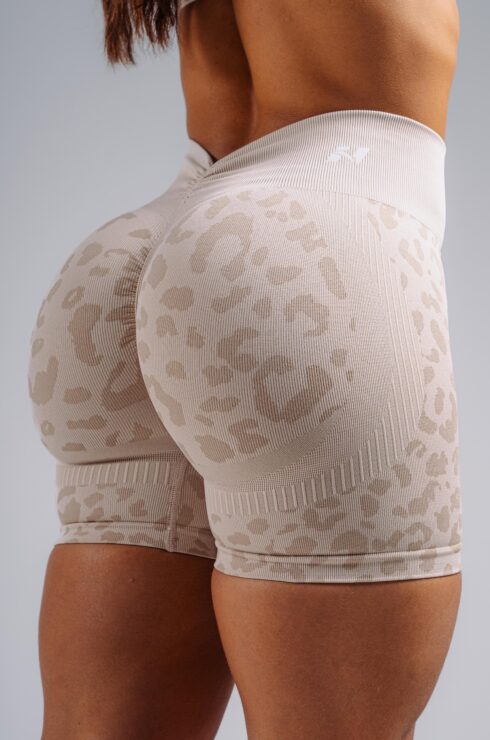
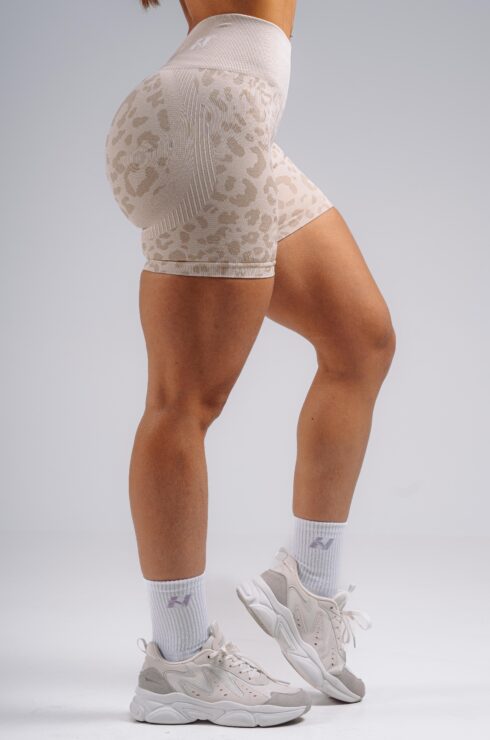


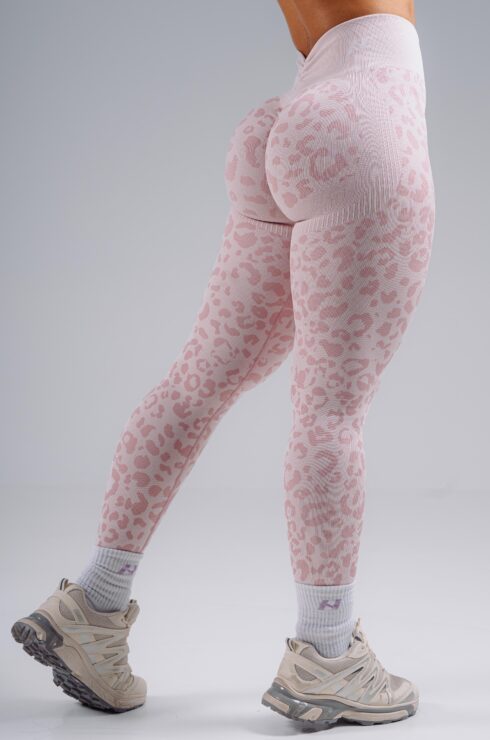
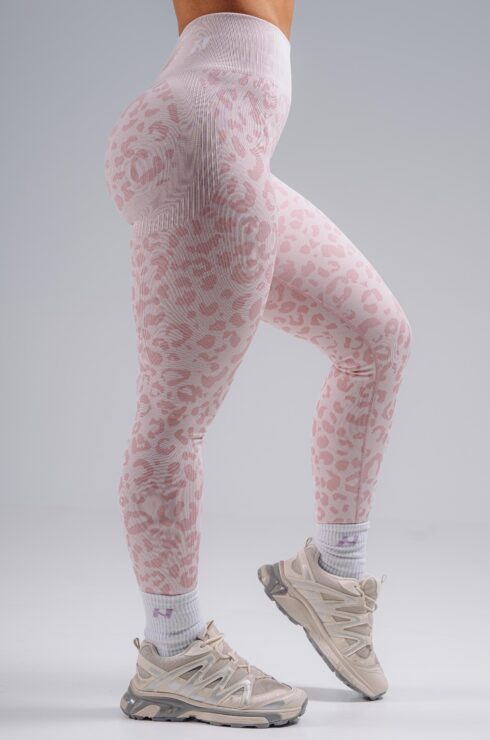


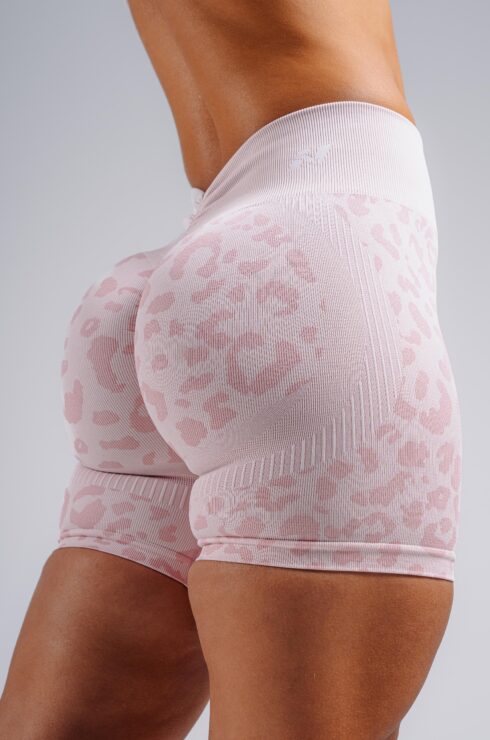
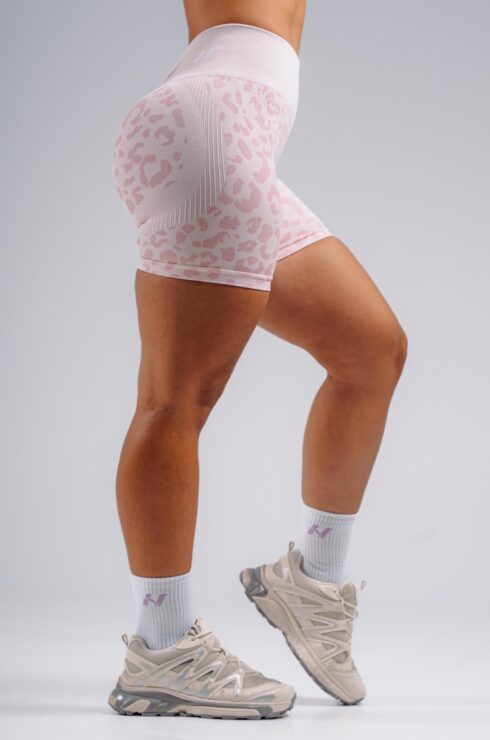
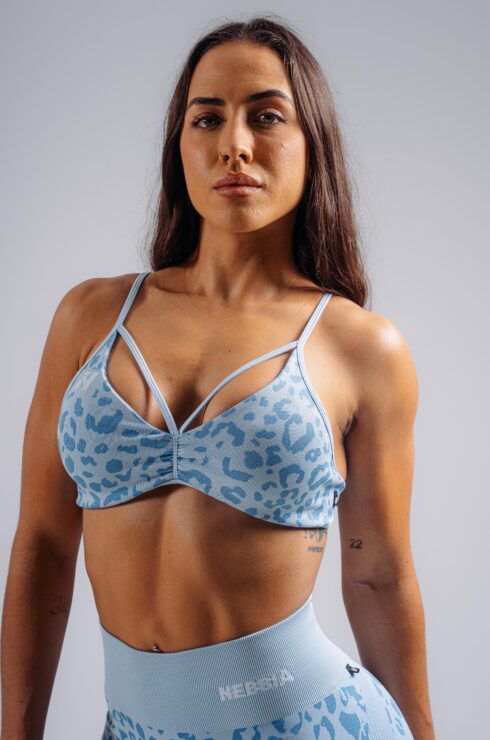

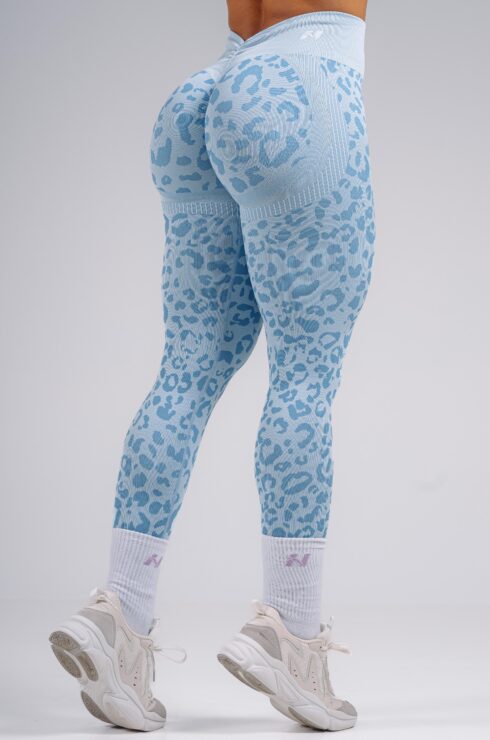
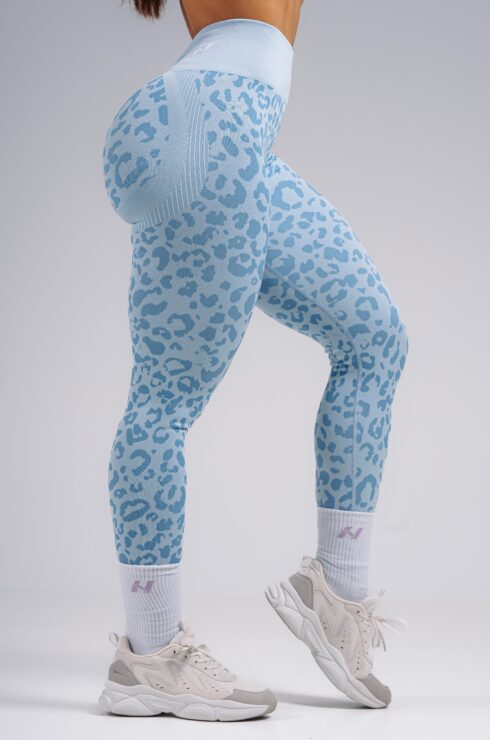
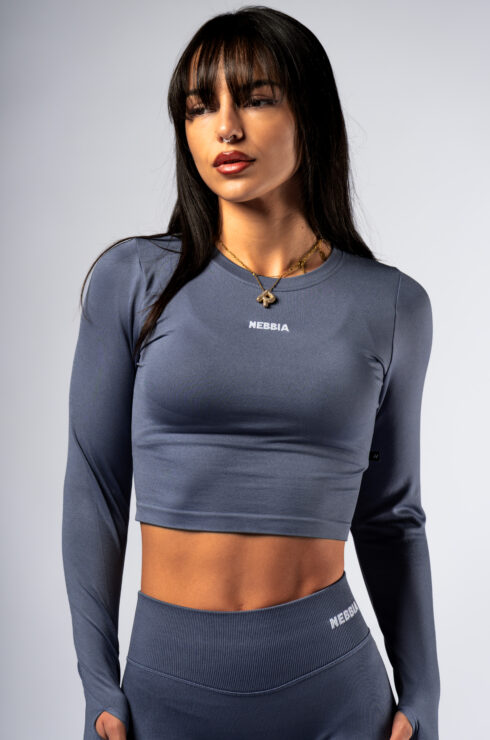
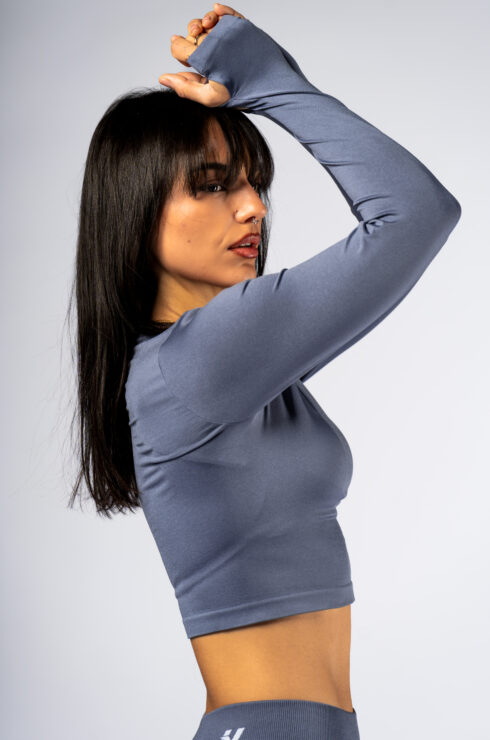
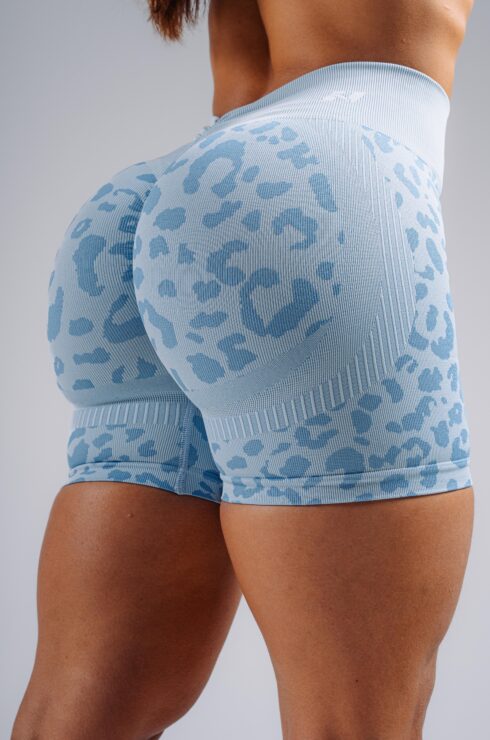
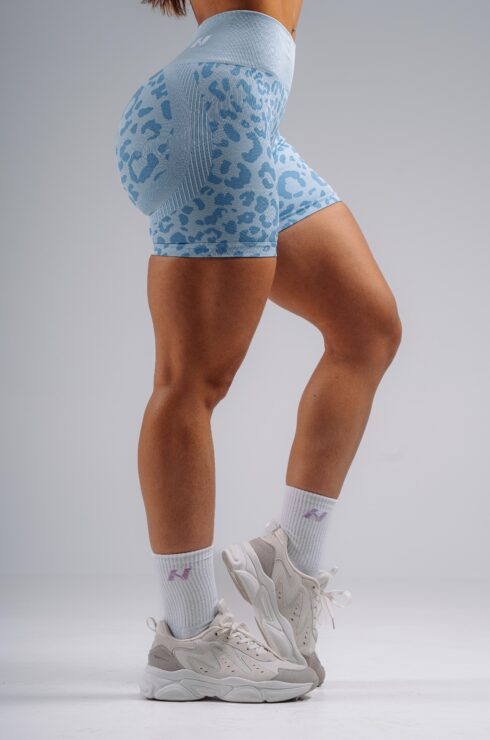


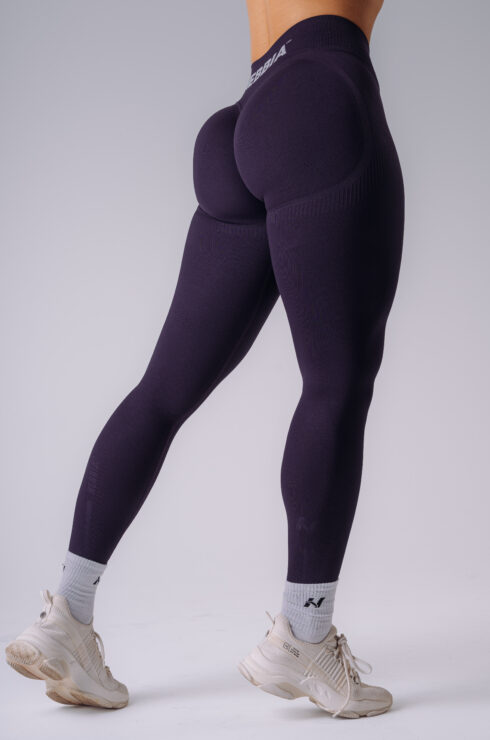
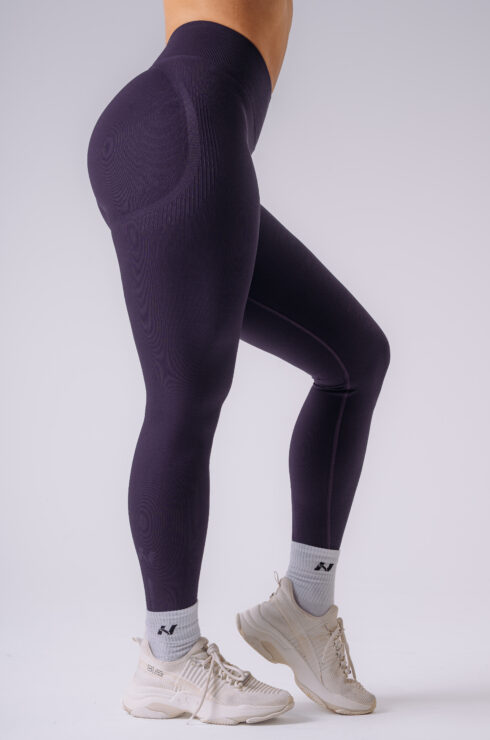
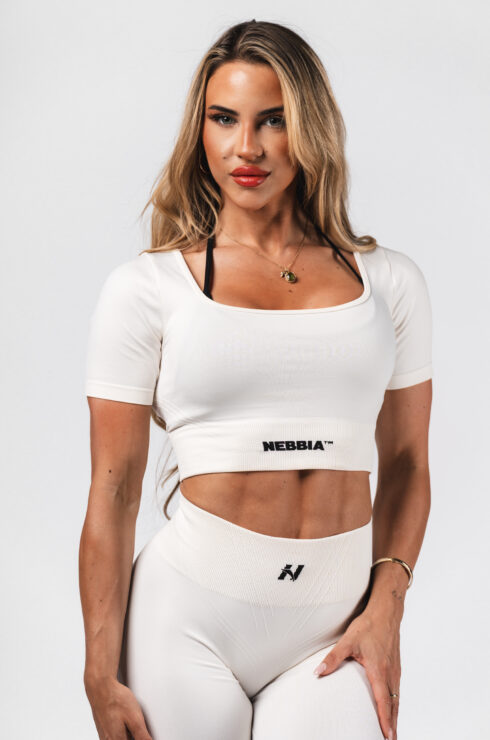

Pros: Elasticity, durability, wrinkle-resistant, long-lasting, price, sweat-wicking, functional features
Cons: Synthetic origin, risk of allergic reactions, may stink
Environmental impact
Most people prefer cotton to polyester, as it is a natural, plant-based product, but the two materials are surprisingly similar in terms of environmental impact. In the regions where cotton is produced, a large amount of land and water are required. Polyester fibers, on the other hand, are produced from fossil fuels. Cotton can be biodegradable. Polyester, on the other hand, can be produced by recycling plastic bottles.