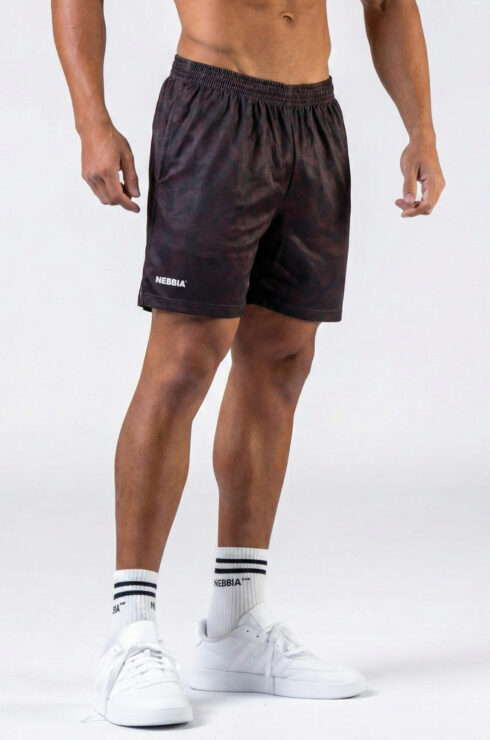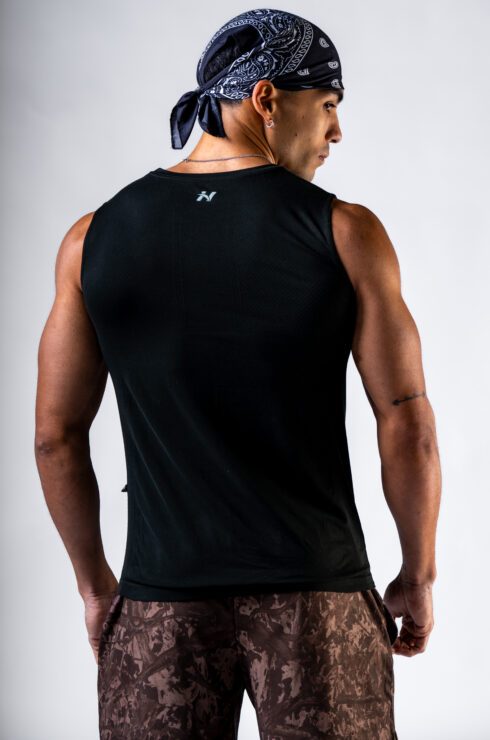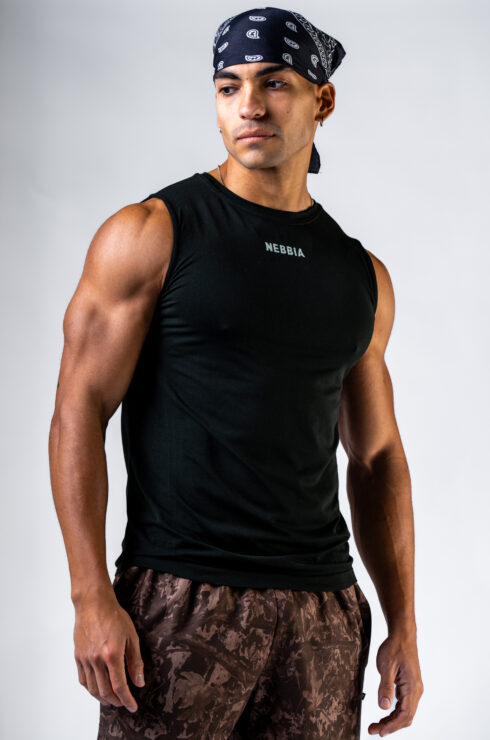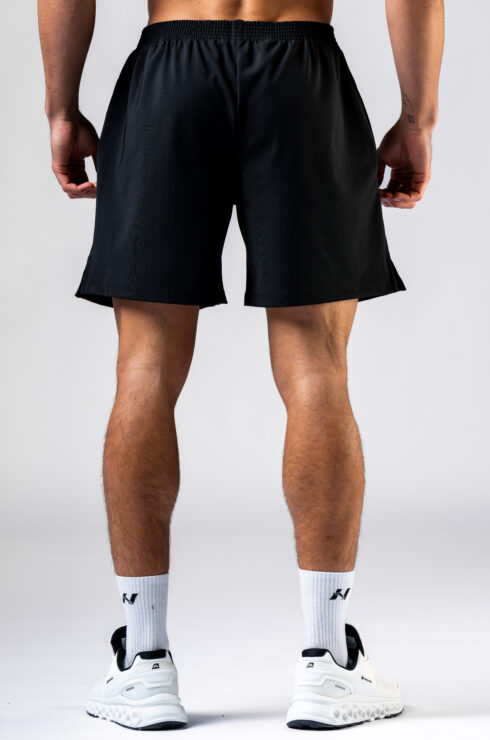






























Men's running clothes
Showing 1–12 of 13 resultsSorted by latest
-
Quick buy+


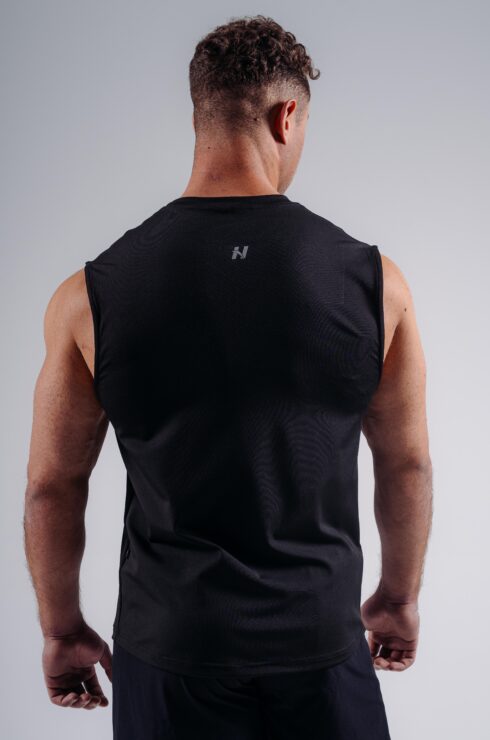
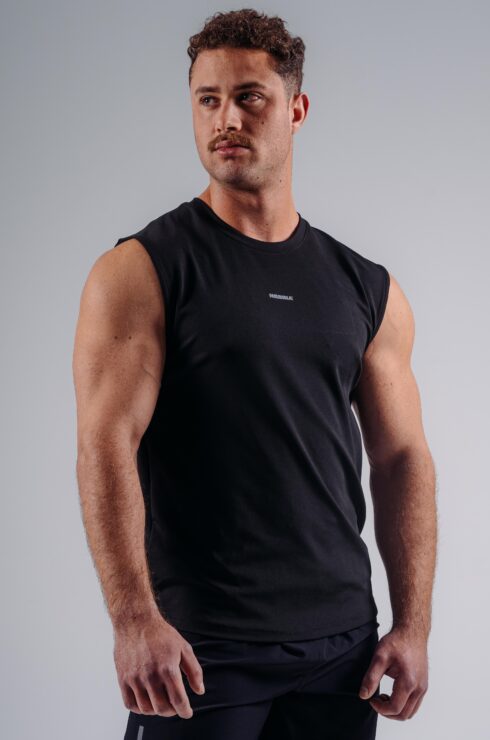
Functional Tank Top PRIMAL 874 Black
-
Just dropped 🐆Quick buy+


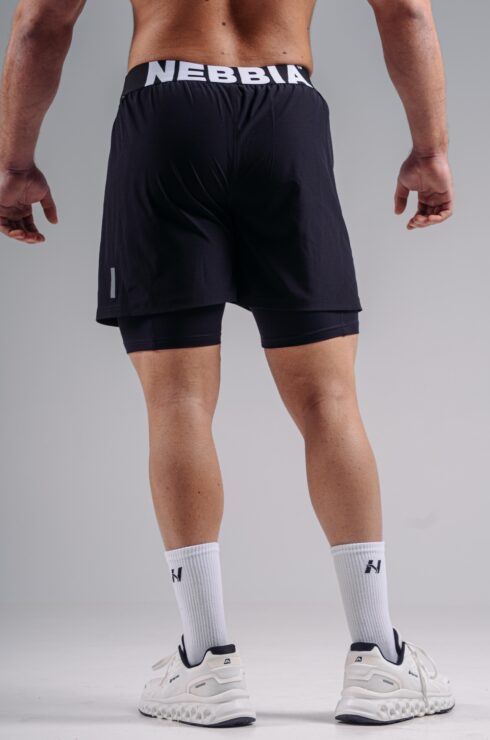
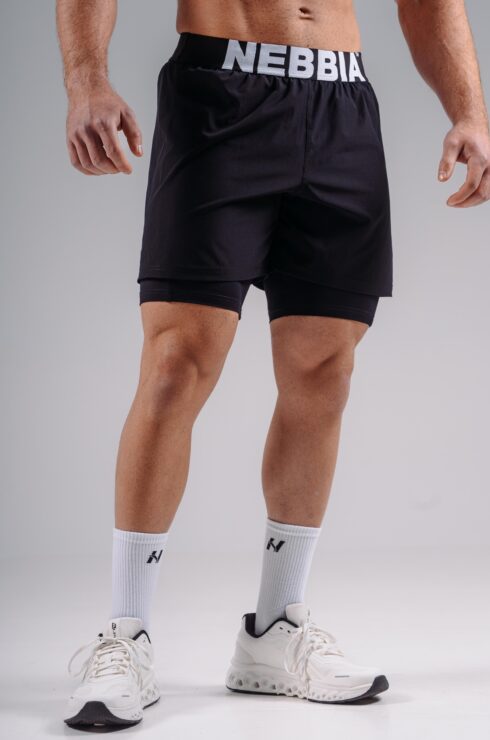
Double-Layer Training Shorts PRIMAL 878 Black
-
Quick buy+


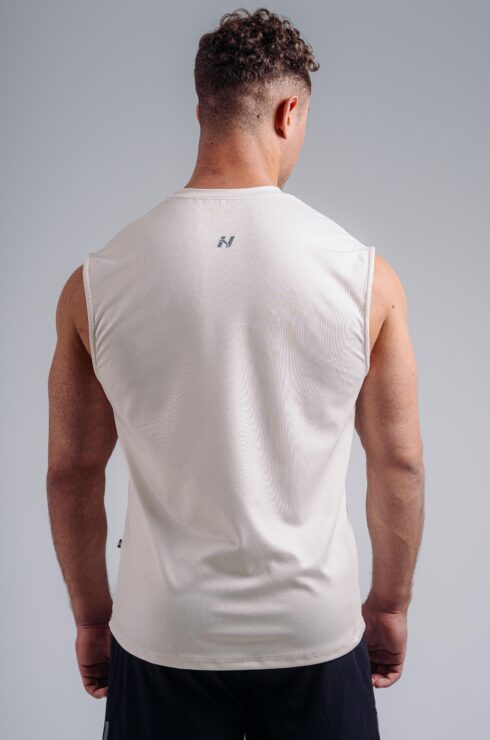
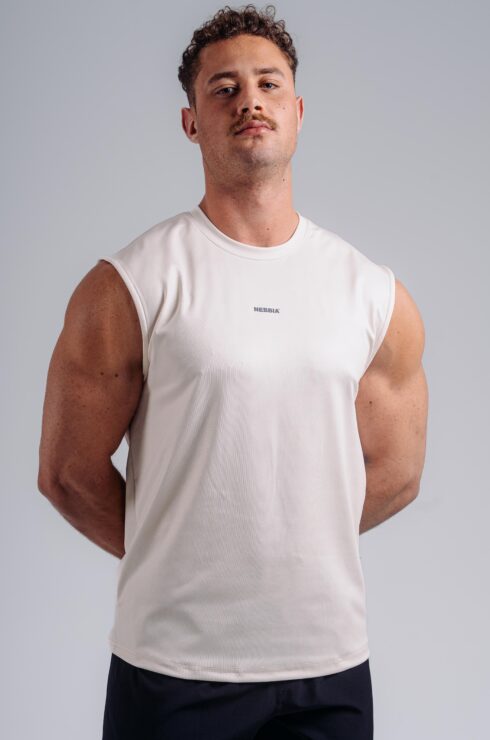
Functional Tank Top PRIMAL 874 Cream
-
Quick buy+


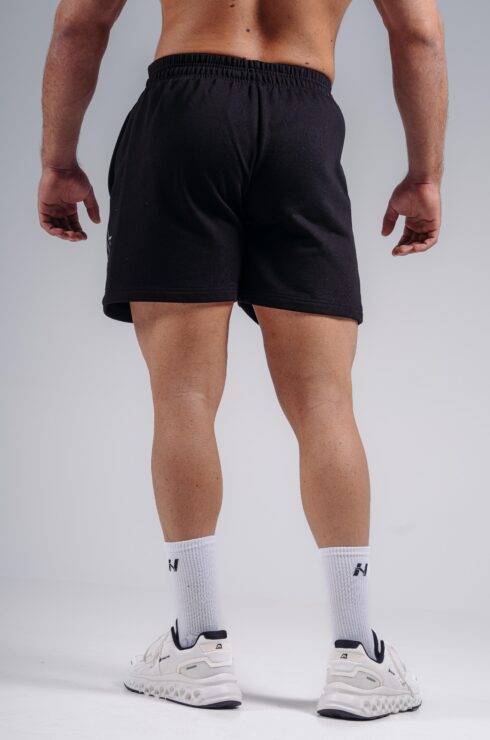
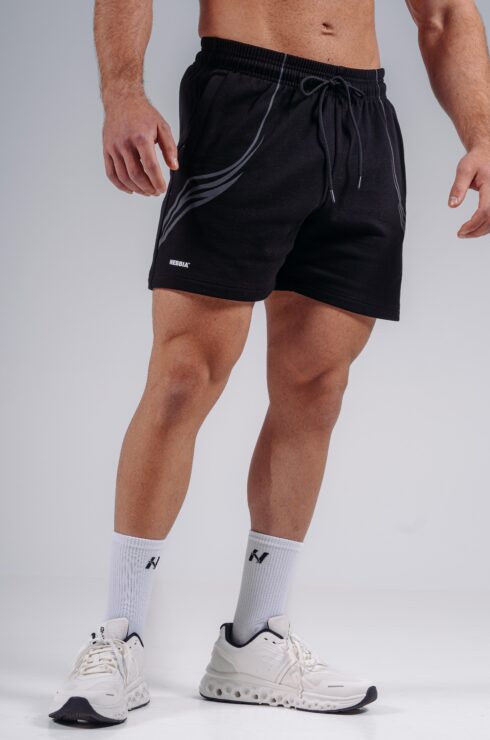
Oversized Training Shorts PRIMAL 876 Black
-
Quick buy+


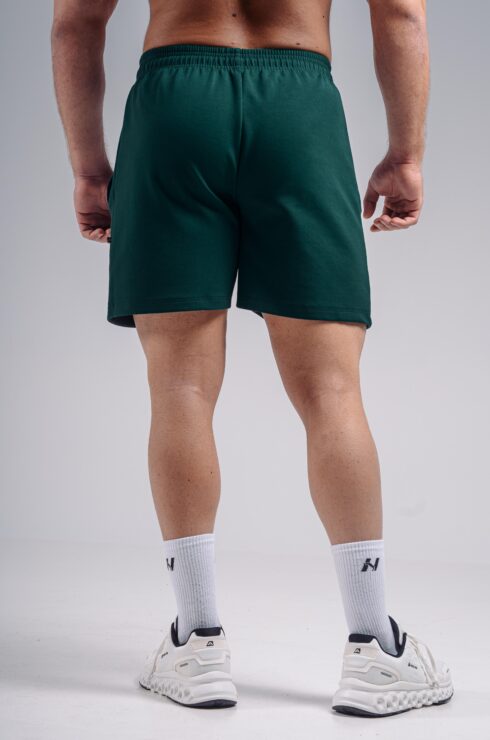
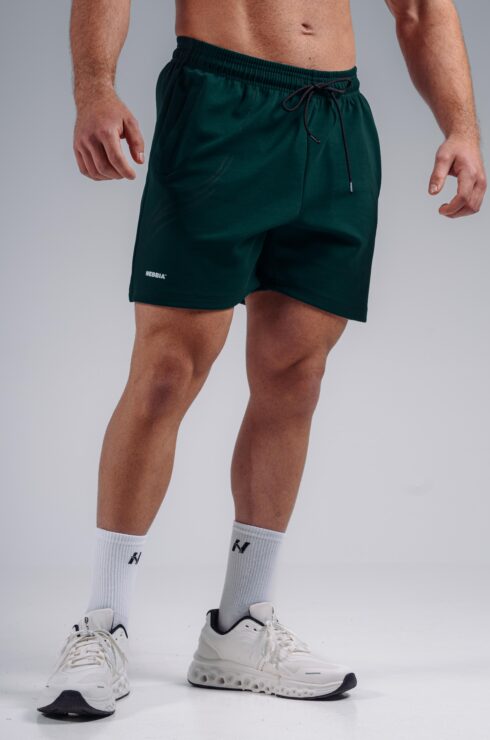
Oversized Training Shorts PRIMAL 876 Dark green
-
Best seller 🔥Quick buy+


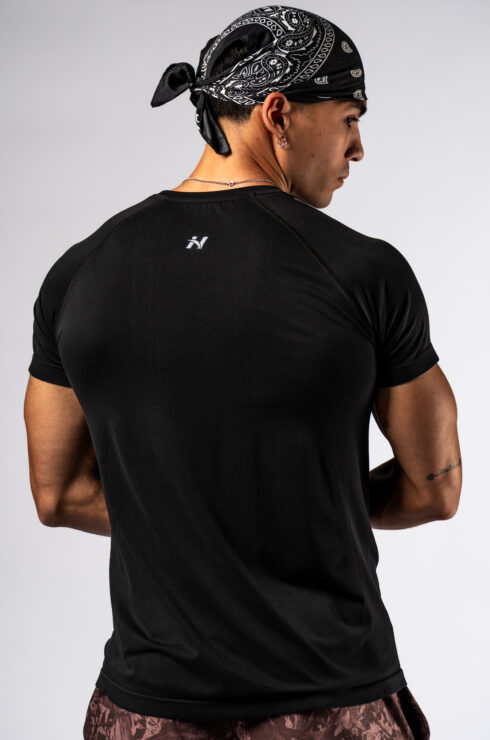
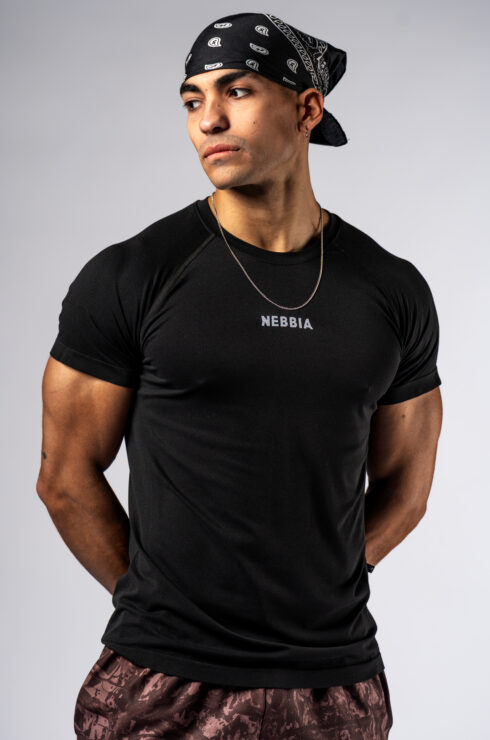
Seamless Short-Sleeve Top POWER 900 Black
-
Quick buy+L


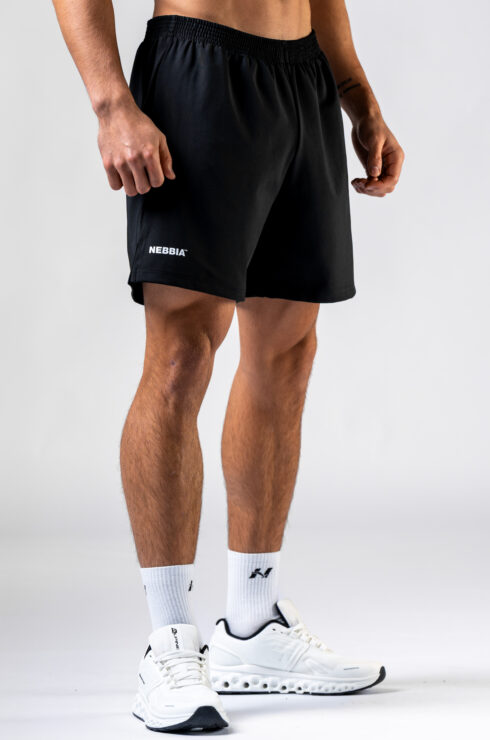
Training shorts POWER 902 black
-
Quick buy+


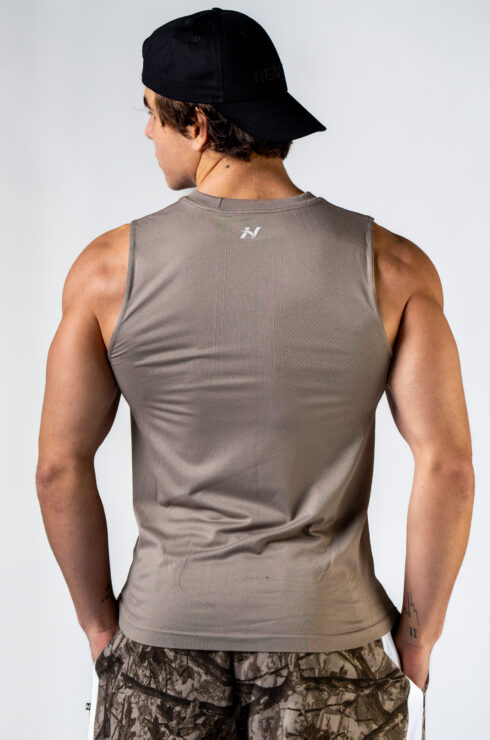
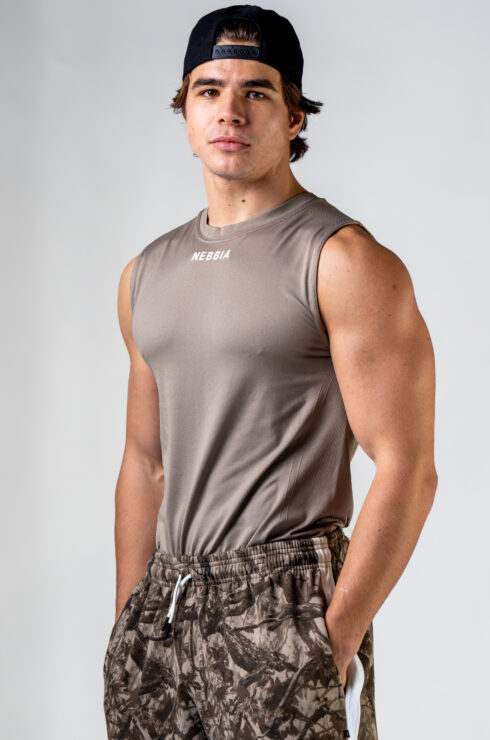
Seamless Tank POWER 899 Light brown ash
-
Quick buy+ML
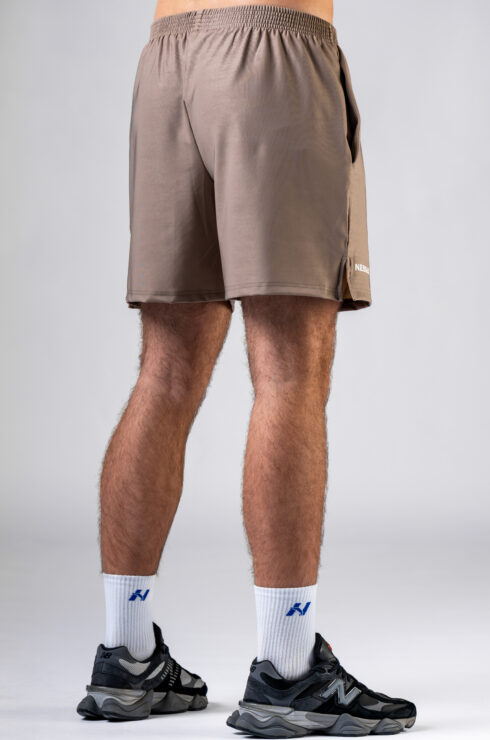
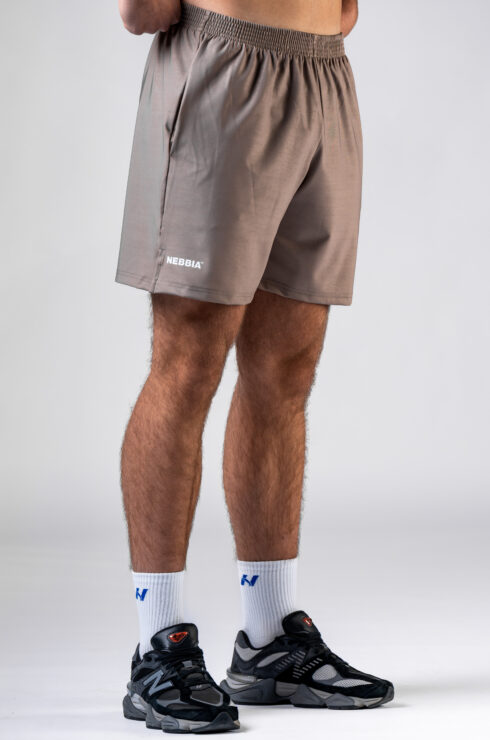
Training shorts POWER 902 light brown
-
Quick buy+L
Seamless Tank POWER 899 Black
-
Quick buy+
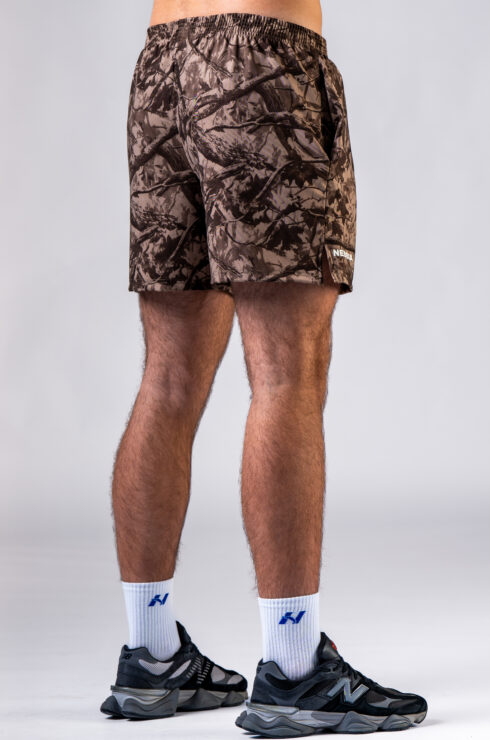
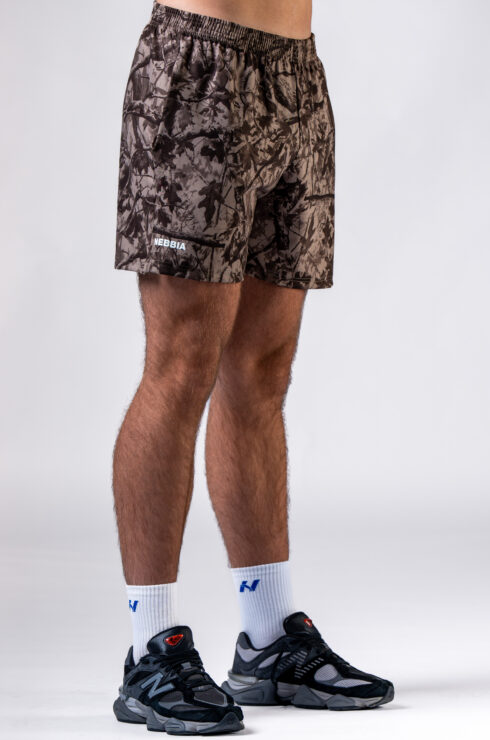
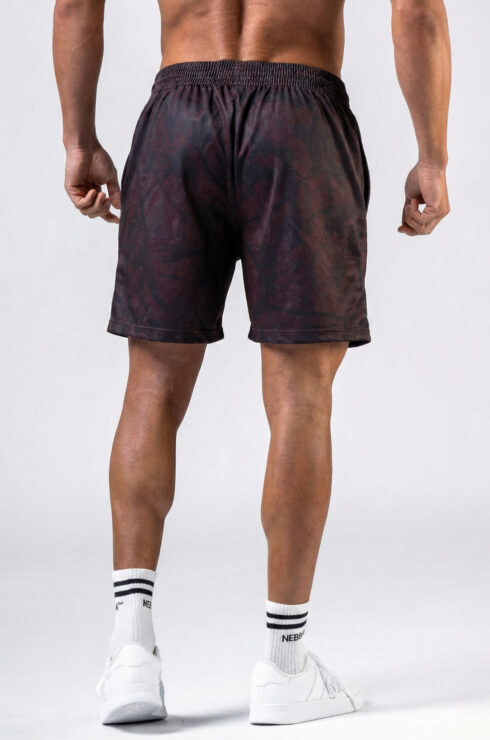
Training Shorts POWER 902 Dark brown camo
-
Quick buy+
Seamless Short-Sleeve Top POWER 900 Light brown ash
FAQ
The difference comes down to design priorities based on movement, comfort, and function for each type of activity:
Bodybuilding / weight training clothes
- Fit: Often tighter around the chest, arms, and shoulders to allow for a clear view of muscle form. Some are slightly stretchy but not overly loose.
- Material: Usually thicker and more durable fabrics to withstand heavy lifting, friction, and frequent washing.
- Features: Reinforced seams and sometimes padding in areas like the shoulders for bench presses. Some tops have cutouts or sleeveless designs for ventilation and range of motion.
- Purpose: Emphasizes mobility for lifting while highlighting muscle definition.
Running clothes
- Fit: Slim or compression fit to reduce wind resistance and chafing. Shorts are often looser around the thighs for stride freedom.
- Material: Lightweight, breathable, moisture-wicking fabrics to manage sweat and body heat.
- Features: Reflective details for safety, pockets for small items, mesh panels for ventilation.
- Purpose: Maximizes comfort during repetitive, high-impact motion and regulates body temperature.
Yoga clothes
- Fit: Stretchy, form-fitting but not tight in a restrictive way; often designed to move with the body in all directions.
- Material: Soft, flexible fabrics like cotton blends, bamboo, or high-stretch synthetics.
- Features: High waistband for stability, flat seams to prevent irritation, long enough tops to stay in place during inversions.
- Purpose: Supports flexibility, deep stretches, and comfort while holding poses.
The best cold-weather running clothes aren’t about one perfect outfit, they’re about smart layering + the right materials.
Heres a clear, practical breakdown
1. The Layering System (most important). Cold-weather running works best with 3 layers:
- Purpose: keep sweat off your body
- Look for: moisture-wicking + breathable
- Best materials: merino wool or synthetic (polyester blends)
- Avoid: cotton (gets wet and cold)
2. Best Bottoms for Cold Runs
- Thermal running tights (most popular)
- Running pants (for very cold/windy days)
Thermal tights trap heat but still allow movement and breathability
3. Small Accessories (huge difference)
- Beanie or headband (you lose a lot of heat here)
4. Adjust by Temperature
- Full layering system + thermal tights + hat – This layering progression is widely used by runners to stay comfortable as temps drop
When youre choosing running clothes that maximize flexibility and freedom of movement, the key is to I look for items that are lightweight, stretchy, moisture-wicking, and tailored for motion.
Heres a guide to the best options:
- Lightweight technical fabrics (polyester/spandex blends) move with you and dry quickly.
- Four-way stretch lets you lift arms and twist freely.
- Seamless or flat seams reduce chafing when running long distances.
- Ventilation features mesh panels or laser-cut holes improve airflow.
- Short-sleeve stretch tees versatile and breathable.
- Tank tops with stretch back panels great for warm weather.
- Lightweight long sleeves protects from sun/wind but still moves with you.
- Stretch waistbands and gussets support movement without binding.
- Four-way stretch fabrics especially helpful for strides and high knees.
- Appropriate length – choose what feels best
- Built-in liners or compression layers enhance muscle support and reduce chafing.
- Stretchy running shorts ideal for flexible, unrestricted strides.
- Running tights / leggings hug muscles and provide motion-friendly stretch.
- Hybrid shorts (with liner) – stable fit plus flexibility.
- Moisture-wicking socks prevent blisters and feel flexible with movement.
- Breathable hats or headbands manage sweat without restricting motion.
- Light gloves (cool weather) flexible, sweat-wicking materials.
- Spandex / Elastane blends essential for stretch.
- Polyester & nylon performance fabrics wick sweat and dry fast.
- Mesh ventilation zones keep you cool without adding bulk.
- Not too tight, not too loose: Clothing should follow your shape but allow full range of motion.
- Try a few sizes: Different brands size shirts and tights differently.
- Flexibility often feels better one size up if you’re between sizes.
- Test with movement: Reach, twist, and jog in place when trying on to make sure nothing binds or pulls.
In short: breathable, stretch fabrics with thoughtful seams and cuts tailored for running give you the best flexibility and movement.
- Top: lightweight polyester or nylon tank
- Bottom: running shorts with liner
- Socks: moisture-wicking synthetic blend
- Optional: cap + sunglasses
1. Choose the right fabrics (this matters most)
Go for moisture-wicking, synthetic materials:
- Polyester, nylon, polypropylene lightweight, breathable, and dry fast
- These fabrics pull sweat away from your skin so it evaporates instead of soaking you
- Cotton absorbs sweat, stays wet, and can cause chafing
2. Wear lightweight, breathable pieces
Running shorts with built-in liners
- Mesh panels or perforations for airflow
- Featherlight materials that dont cling
- Seamless or flat seams to prevent chafing
Fit: slightly loose > tight
- Slightly loose clothing lets air circulate and cool your body
- Tight gear can trap heat unless its specifically designed for ventilation
Light, non-clingy fabrics that sit off your skin help in humidity
4.Pick heat-smart details
Small things make a big difference:
- Light colors reflect heat instead of absorbing it
- UPF-rated fabrics protect from sun exposure
- Minimal layers usually just a single layer in hot weather
5. Dont forget accessories
Moisture-wicking socks (blister prevention)
Compression wear offers several benefits for runners, primarily by supporting muscles, improving circulation, and enhancing recovery. Heres a detailed breakdown:
1. Improved Blood Circulation
- Compression garments apply graduated pressure, which helps push blood back toward the heart.
- Enhanced circulation can deliver oxygen more efficiently to muscles, potentially improving endurance and reducing fatigue.
2. Muscle Support and Vibration Reduction
- Compression clothing stabilizes muscles during impact, limiting excessive movement and vibration.
- This can reduce microtrauma to muscle fibers and lower the risk of soreness or minor injuries.
3. Enhanced Performance (Marginal Gains)
- Some studies suggest that runners may experience slight improvements in running economy due to better muscle alignment and reduced oscillation.
- The effect is generally subtle but can be noticeable over long distances.
4. Faster Recovery
- Wearing compression gear post-run may help flush out metabolic waste like lactic acid.
- This can decrease delayed onset muscle soreness and speed up recovery between workouts.
5. Temperature Regulation and Moisture Management
- Many compression garments are made from moisture-wicking fabrics that help keep skin dry.
- Some provide mild warmth, supporting muscle readiness in cooler conditions.
6. Injury Prevention Support
- By stabilizing muscles and joints, compression wear may help reduce the likelihood of strains or shin splints.
When choosing leggings specifically for running, focus on fit, fabric performance, comfort, and features that support your movement and weather conditions. Heres a clear breakdown of what to I look for and why each aspect matters:
1. Fabric: SweatReady & Comfortable
- Moisturewicking: choose fabrics like polyester or nylon blends with spandex / elastane they pull sweat away from your skin and dry quickly, reducing chafing and discomfort.
- Breathability: look for materials or mesh panels that let air circulate so you stay cool on longer runs.
- Stretch and recovery: leggings with fourway stretch move with you and retain their shape over time.
- Avoid cotton: pure cotton absorbs sweat and stays heavy, which can irritate your skin during training.
2. Fit & support
- Snug but not restrictive: the leggings should feel secure without cutting circulation not too tight, not too loose.
- Waistband: a wide, highrise waistband helps them stay in place without slipping down midrun.
- Compression: moderate compression supports muscles and may reduce fatigue on longer runs.
- Seam construction: flatlock seams or seamless designs minimize rubbing and irritation.
3. Length & Style for Your Runs
- Full length: great for cooler weather and more coverage.
- 7/8 or short: good for more breathability or are running in warmer conditions.
- Choose a length that matches your comfort and the typical running environment youre in.
4. Extras to Consider
- Pockets: handy if you need to carry essentials like your phone or keys without a belt or armband.
- Reflective details: useful if you run early in the morning or at night.
- Durability: quality blends and reinforced stitching help leggings last longer and stand up to frequent washes.